
Why millions do not erase anxiety: a lesson for investors
5/24/2026, 01:55 PM • Яна Усс
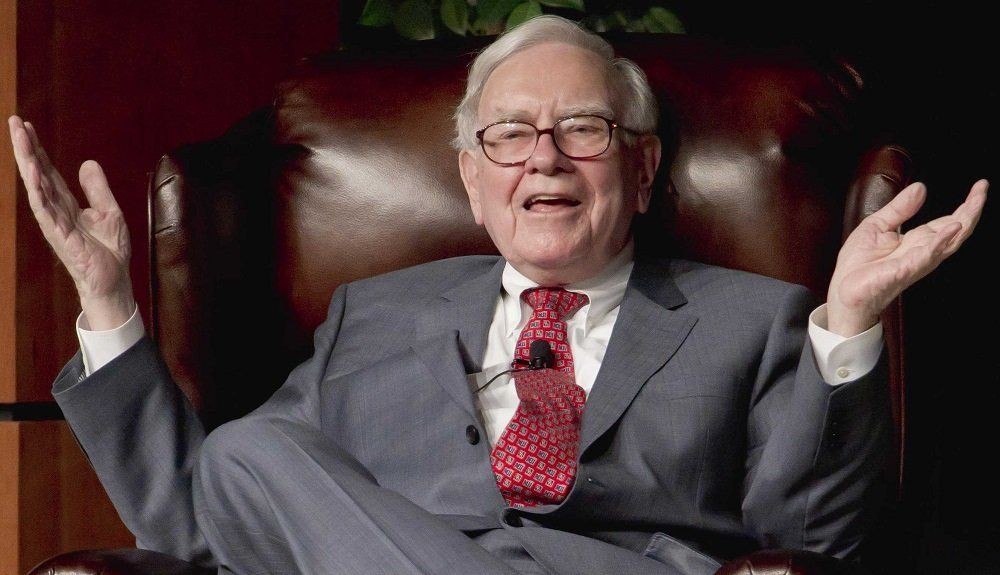
A viral post by Menlo Ventures partner Didi Das about the “digital existential crisis” of newly wealthy tech insiders points to a broader investing lesson: a sudden jump in wealth does not automatically create peace of mind. According to the source article, the post drew 13 million views and described people whose assets rose from under $150,000 to more than $50 million within a few years, only for many of them to feel disoriented rather than fulfilled.
The first mechanism is hedonic adaptation. After a major financial win, the mind quickly turns the new level of wealth into a baseline. What felt like freedom yesterday becomes the minimum acceptable standard tomorrow. For investors, this is dangerous: the desire to recreate the original emotional high can push them toward bigger and riskier bets.
The second mechanism is adaptive expectations. A run of successful trades can make unusually strong returns feel normal. That leads to overconfidence, inflated return targets and a weaker sense of how quickly market conditions can change.
Money solves many real problems, from security and healthcare to education and quality of life. But it does not remove anxiety or automatically provide meaning. That is why investment goals should not be built around an abstract number alone. A better target is a defined life: enough stability, time, health, family support and freedom. The real lesson is that capital should serve life, not turn it into an endless race for the next high.