

Bitcoin Depot bankrupt: Shares crash 75%, all 9,000 ATMs pulled offline
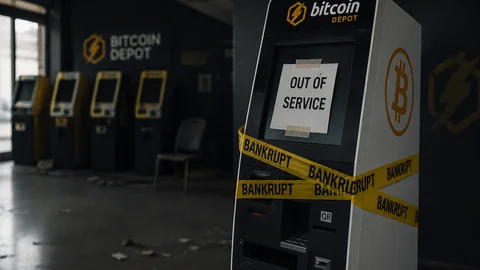
Bitcoin Depot, once the largest Bitcoin ATM operator in North America, is shutting down for good. The company has voluntarily filed for Chapter 11 bankruptcy protection in the US Bankruptcy Court for the Southern District of Texas, initiating an orderly wind-down of its operations and a sale of its remaining assets. Every kiosk in its network — roughly 9,000 machines at its peak — has already been taken offline.
The Nasdaq-listed company's collapse was driven by a convergence of financial deterioration, regulatory pressure, and mounting legal exposure. Preliminary first-quarter 2026 revenue came in at approximately $83.5 million, a 49% year-over-year drop, accompanied by a net loss of $9.5 million. The company attributed the sharp decline in transaction volumes to tightening compliance requirements and an increasingly hostile regulatory environment.
At the same time, Bitcoin Depot was fighting lawsuits from regulators across multiple states, who alleged that its ATMs failed to adequately shield users from fraud and financial scams — particularly older adults, who have been disproportionately targeted through crypto kiosk schemes. The scrutiny reflects a broader crackdown on Bitcoin ATMs in the US, where authorities have drawn direct links between the machines and a surge in consumer fraud cases.
CEO Alex Holmes acknowledged that the combination of transaction limits, regulatory enforcement actions, and outright bans on Bitcoin ATM operations in certain jurisdictions had rendered the company's business model untenable. He pointed out that Bitcoin Depot had progressively implemented stronger safeguards — including enhanced identity verification, customer alerts, and lower transaction ceilings — but said these efforts were ultimately insufficient to reverse the company's trajectory in the current climate.
Bitcoin Depot's Canadian entities will participate in the US-supervised restructuring process, while other international subsidiaries are expected to wind down under applicable local legal frameworks.