
Commodity companies have started actively tokenizing physical metals
8/13/2026, 02:25 PM • Евгения Слив
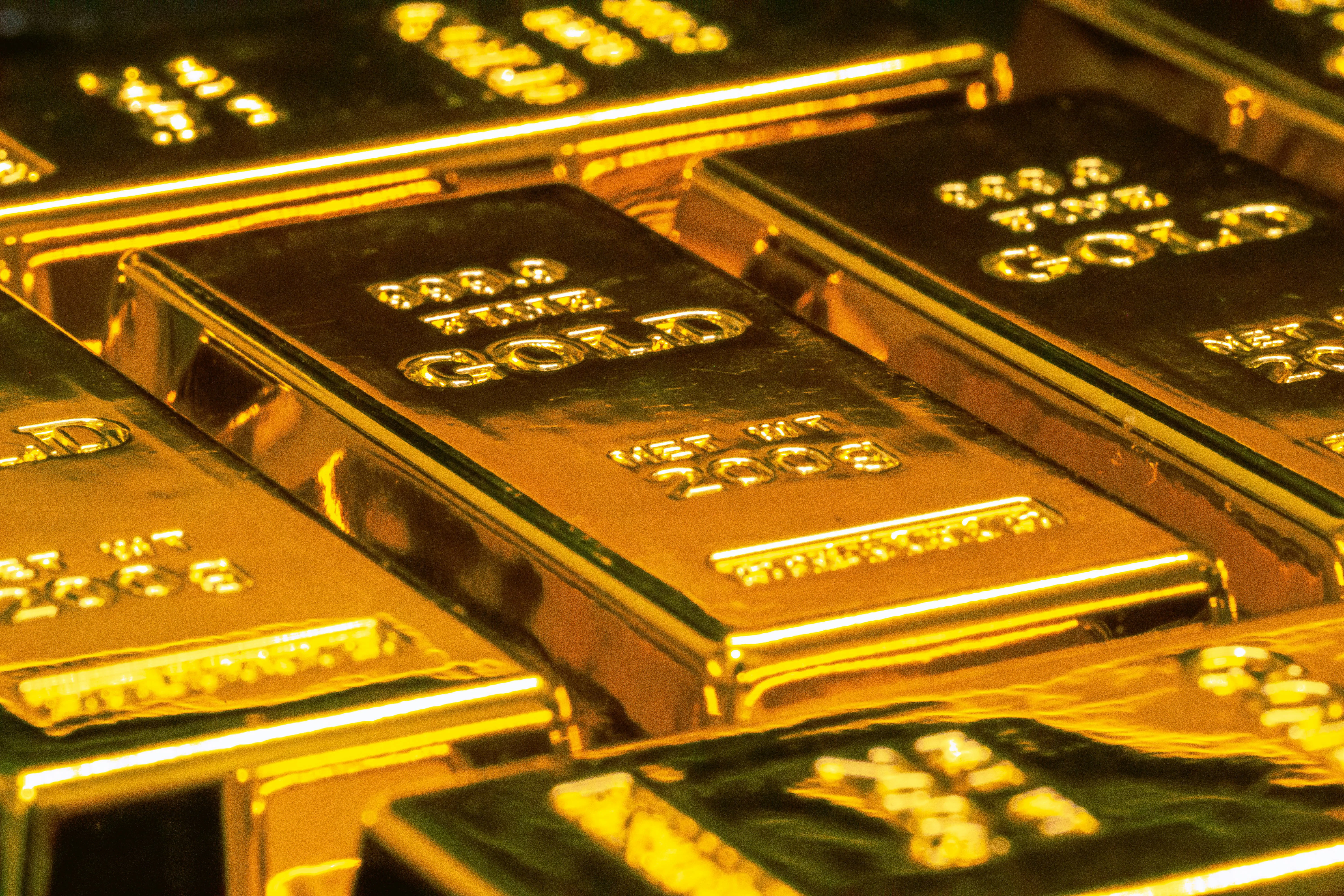
Mining and technology companies began actively launching tokens linked to gold, copper, uranium, nickel and cobalt in 2000. Organizations are trying to attract crypto investors to the traditional raw materials market and simplify access to physical metals for retail users. Such projects give crypto capital the opportunity to diversify through real-world assets and create a new financing mechanism for mining enterprises. Interest in this area arose against the background of the wider spread of blockchain infrastructure in traditional finance. The potential of this market is still significantly different from the scale of classical instruments. The total value of gold exchange-traded funds last month was about five hundred and thirty billion dollars. For comparison, the two largest gold–backed tokens, Tether Gold and Pax Gold, had a capitalization of about two billion seven hundred million and one billion nine hundred million dollars, respectively.
Supporters of tokenization believe that the blockchain is able to make access to raw assets much easier and cheaper. The Metals io platform has already released tokens related to uranium, nickel and cobalt, which can be exchanged for physical metal under certain conditions. The total trading volume of this platform since December 2000 is about twenty-four million dollars, and the number of token holders reaches about nine thousand. Individual companies are trying to tokenize even those metals that have not yet been physically mined. The Datavault AI organization plans to issue tokens backed by copper and antimony directly for future mining. Nathaniel Bradley, CEO of the company, compared this model to a classic futures contract: investors will be able to trade these assets or hold them until the moment of physical extraction of the metal.
The development of tokenized metals is taking place against the background of the overall steady growth of the segment of real assets. The total capitalization of tokenized assets has already exceeded forty-three billion dollars. However, tokenization of physical metals has a number of additional difficulties and specific risks. Investors need to consider the origin, quality, and characteristics of raw materials, and industrial metals are not always completely interchangeable. Representatives of the World Gold Council doubt that retail investors will be able to fully understand the process of financing the value chain. Another major problem remains the noticeable fragmentation of the market, because different tokens are traded on separate platforms. Experts note the urgent need to develop interoperability, but they believe that eventually all financial assets will switch to the blockchain. Earlier, Consensys CEO Joseph Lubin also stated that the global economy is gradually moving towards full tokenization of assets.