
Deepfakes are becoming a fraud tool as face and voice cloning get easier
5/23/2026, 08:51 AM • Богдан Семичев
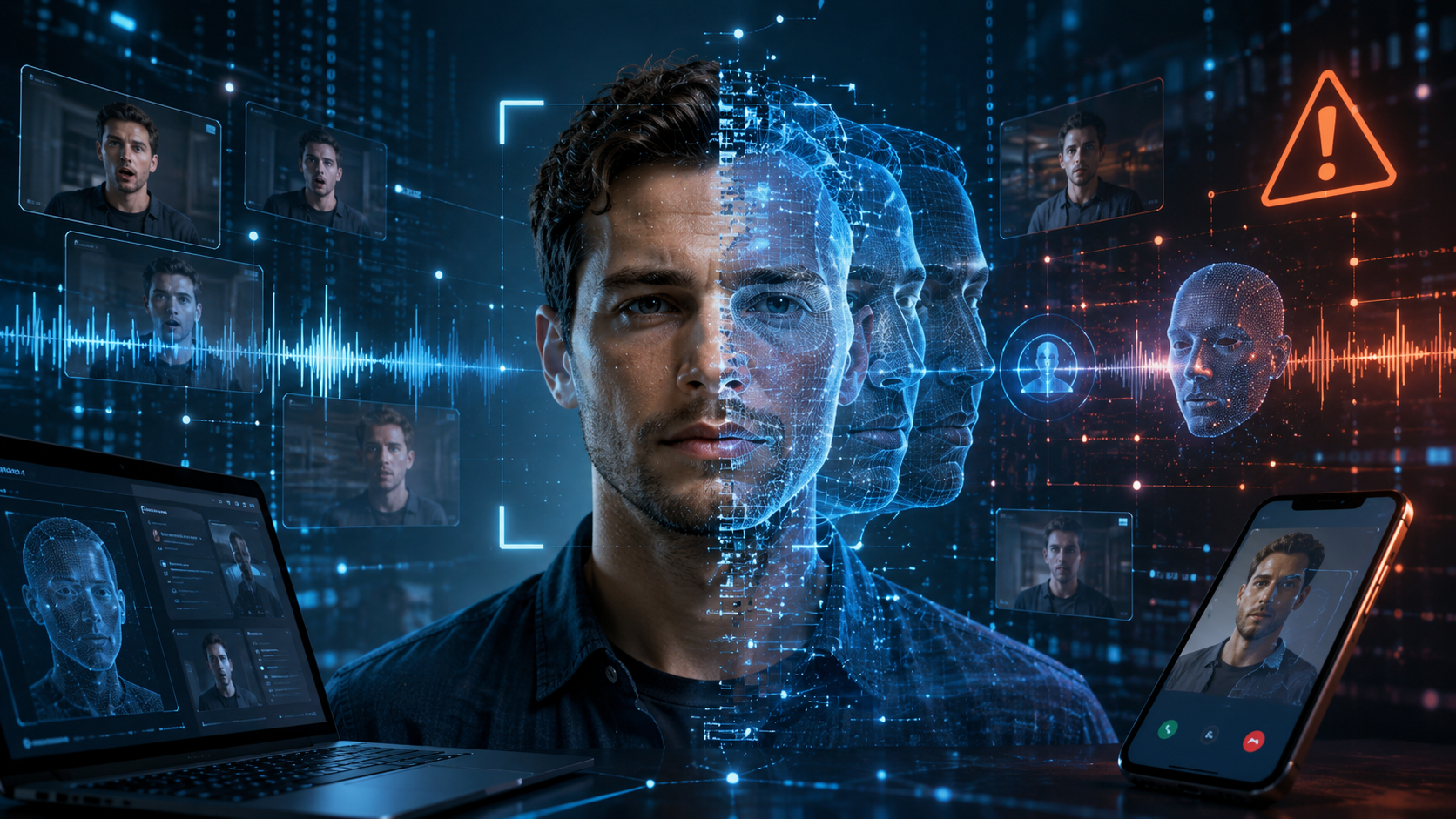
Deepfakes are no longer just a tech experiment. They are increasingly being used in fraud, blackmail and social-engineering attacks. These fake videos, audio clips and images are created with AI systems that imitate a person’s face, voice or facial expressions, making it appear as if they said or did something that never happened. Experts note that creating such content no longer requires advanced technical skills: attackers can upload a photo, video or voice sample and generate a convincing fake.
The biggest risk is trust. Criminals can call victims using a relative’s cloned voice, send video messages pretending to be a manager, create fake Telegram clips, threaten people with fabricated compromising content or promote crypto scams using AI-generated celebrities. The most dangerous cases often involve urgency: victims are pressured to transfer money, share SMS codes or hand over valuables.
Deepfakes are getting harder to detect, but warning signs remain. Users should look for unnatural blinking, poor lip-sync, blurred facial edges, strange emotions, visual artifacts and behavior that does not match the person’s usual style. If there is any doubt, the safest move is to end the call and contact the person through a trusted number.
If someone’s face or voice is used without permission, the victim should save evidence, report the content to the platform and contact law enforcement if fraud, blackmail or defamation is involved. Legal consequences may include civil claims or criminal liability.