
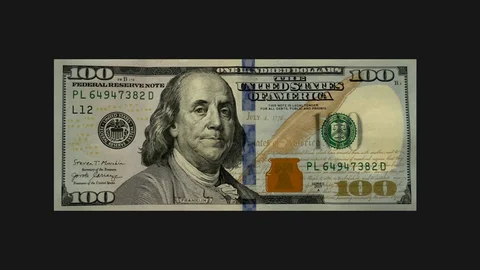
The US dollar is preparing for a possible recovery after a protracted four-month decline caused by geopolitical instability and expectations of Federal Reserve easing. Currently, the DXY index is showing signs of stabilizing below 100, while experts are beginning to note a shift in sentiment among major players. The combination of strong US macroeconomic data and shifting political rhetoric ahead of the congressional elections is laying the foundation for a reversal in favor of the greenback.
The main pressure on the dollar in recent months has been exerted by the Trump administration's aggressive trade tariffs and concerns about the independence of the Federal Reserve. However, the situation is now changing: strengthening business confidence and a steady influx of foreign capital into US bonds and stocks are providing strong support for the national currency. Citi analysts note that the market is entering a "bullish phase in a world of dollar bears," forecasting the dollar to strengthen against the euro and the pound sterling until at least the third quarter of 2026.
A major catalyst for the shift in market sentiment was the nomination of Kevin Warsh as Federal Reserve Chair. His reputation as a technocrat opposed to excessive monetary stimulus reassured investors who feared a sharp currency depreciation. Options market data show that traders are massively cutting their bets on a further dollar decline, shifting to more neutral strategies such as butterfly trades or hedging the risk of sharp two-way fluctuations.
Despite the optimism of some experts, the banking sector remains divided: analysts at J.P. Morgan and Bank of America are skeptical of the possibility of a broad rally. The main restraining factor remains the White House's stance, which traditionally benefits from a weaker dollar to stimulate exports. Nevertheless, the relative resilience of the American consumer and the high yields of US assets continue to attract cross-border capital, which could derail the administration's plans for a systematic depreciation of the national currency.