

In 2020–2021, the ESG concept became a global trend: corporations adopted sustainability strategies, created specialized divisions, and the volume of "green" commitments reached trillions of dollars. However, just a few years later, the agenda faced a major overhaul. The energy crisis increased the attractiveness of fossil fuel investments, while monetary policy tightening and rising inflation led to capital flight from ESG instruments. An additional factor was the political turnaround in the US following the return of Donald Trump, which heightened doubts about the sustainability of the previous course.
Even before this, experts had pointed to the inherent contradictions of ESG: discrepancies in ratings of the same companies, the lack of uniform standards, and cultural differences in the interpretation of criteria. The popularity of the topic gave rise to a wave of greenwashing, undermining investor confidence. The greenium metric—the "green premium" to the value of instruments—has virtually disappeared: today, the market values assets primarily on financial metrics, not on their environmental labels.
Trump's return has become the catalyst for the crisis. Major US funds are revising their strategies, financial institutions are withdrawing from climate initiatives, and regulations in a number of states are taking on an anti-ESG slant. At the same time, the EU launched a review of sustainability regulations as part of the Omnibus package, easing requirements for non-financial reporting and carbon regulation.
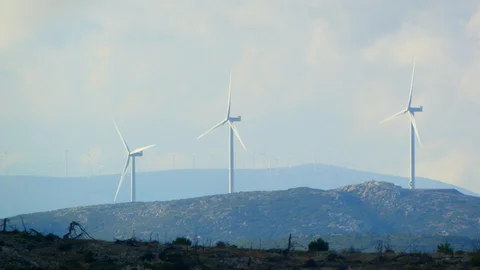
Nevertheless, it's premature to talk about a complete dismantling of the agenda. Globally, renewable energy capacity continues to be commissioned at record rates, electric vehicle sales are growing, and new biodiversity financing mechanisms are being developed. Even in the US, despite the political rhetoric, the share of coal in generation is declining, with new capacity coming primarily from solar, wind, and energy storage systems.
At the same time, the focus of the initiative is gradually shifting to countries in the Global South. China is leading investment in green technologies, carbon markets are developing in Vietnam, India, and Turkey, and the role of developing countries in international climate negotiations is increasing.
Thus, this is more a matter of recalibration and redistribution of emphasis than a systemic rejection of sustainable development. ESG as a brand is cooling, but the tools for sustainable economic transformation remain relevant and will likely evolve alongside global competition.