
Europe's answer to USDT takes shape: Qivalis grows to 37 members and files for Dutch license
5/20/2026, 01:19 PM • Мария Фадеева
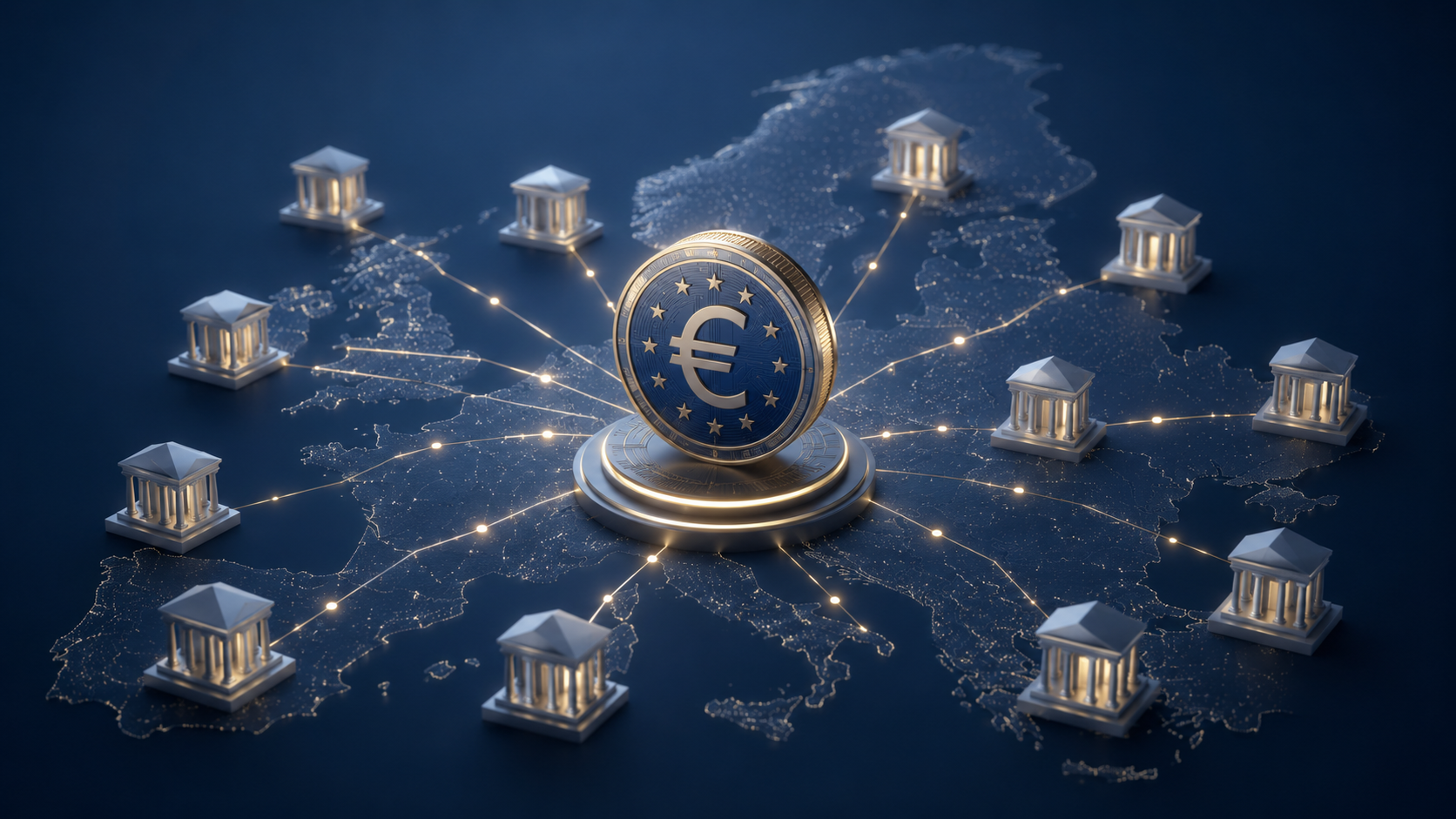
Europe's pan-continental euro stablecoin project Qivalis has significantly expanded its ranks, with 25 additional banks joining the consortium to bring the total to 37 members. New participants include ABN Amro, Intesa Sanpaolo, and Rabobank, joining founding supporters BNP Paribas, ING, and UniCredit. According to the Financial Times, Qivalis has now become the largest banking consortium in the EU focused on building blockchain-based digital infrastructure.
The expansion comes as European regulators grow increasingly vocal about the risks of dollar stablecoin dominance. An ECB working paper warned that dollar-backed tokens generate additional demand for US government debt and reinforce the global role of the US currency through digital settlement channels. In May, ECB President Christine Lagarde called for a clearer separation between the functions of money and payment instruments, flagging systemic risks posed by the growth of private stablecoins.
Qivalis is not positioning itself as a technology play. According to the FT, its core competitive advantage lies in access to the existing infrastructure and client networks of its member banks rather than any proprietary innovation. CEO Jan-Oliver Sell made clear that the consortium has no intention of competing with everyday retail payments within Europe — the focus is on cross-border transfers and instant settlement. The group has filed for a license with the Dutch central bank and expects approval in the second half of 2026.
The rationale for a unified approach is clear from the numbers. European stablecoins remain dwarfed by their dollar counterparts: Reuters reported in 2025 that Societe Generale's euro stablecoin had generated total turnover of just €41.8 million — while the bank simultaneously launched a dollar-denominated product, USD CoinVertible, effectively acknowledging stronger demand for dollar instruments. That liquidity gap is a key driver behind the push for a single collective token rather than a fragmented landscape of low-volume alternatives.