
Miner single-handedly obtains a block of Bitcoin on the device worth only $150
7/13/2026, 11:51 AM • Евгения Слив
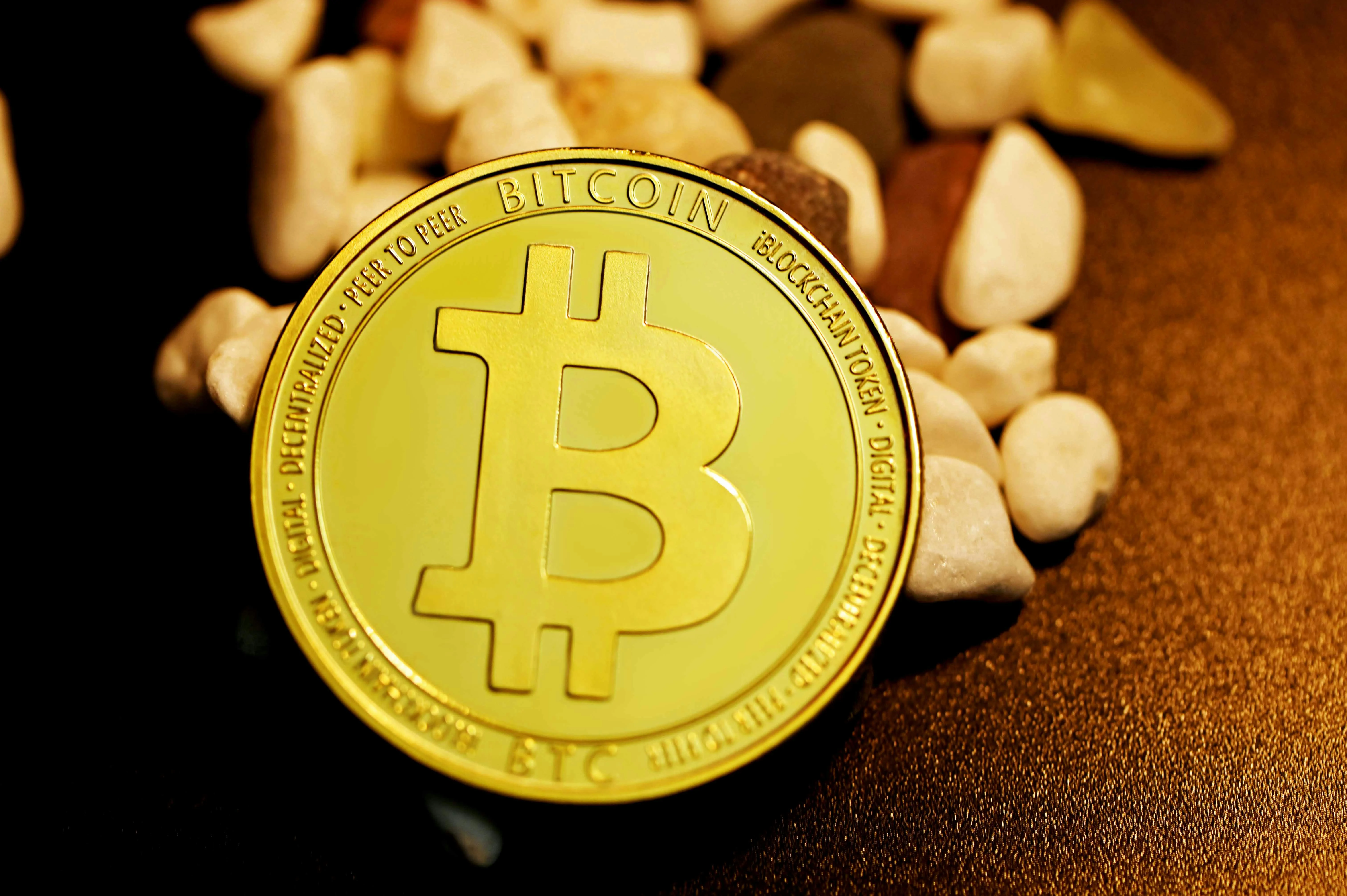
In the world of cryptocurrency, where massive industrial farms with megawatt computing capacities dominate without question, an event occurred that brightly reminds us of the fundamental principles of Bitcoin's decentralization. A solo miner, using a compact Bitaxe device costing only about $150, successfully mined block number 957,382 on the first cryptocurrency's network via the Public Pool service. The reward for this incredible stroke of luck amounted to 3.1382 BTC, which is equivalent to approximately $200,000 at current exchange rates. According to technical data, the enthusiast's equipment ran for just about eight hours with an average hashrate of 995.2 GH/s, roughly equal to one terahash per second. The statistical probability of finding a block with such modest computing power under modern conditions is estimated at one in 18,000 years, making this discovery a truly phenomenal event. Notably, this is only the second documented case where a single Bitaxe device managed to solo-mine a block via Public Pool, proving that luck in Bitcoin still knows no boundaries and is entirely independent of the scale of financial investment.
The secret behind this miniature marvel lies in its thoughtfully designed architecture: Bitaxe is a fully open-source ASIC miner built on the high-performance Bitmain BM1370 chip. This exact same silicon is utilized in the flagship Antminer S21 industrial setups, providing the device with impressive energy efficiency. The Bitaxe Gamma series models generate between 1 and 1.3 TH/s of hashrate while consuming a mere 15 to 21 watts of electricity, with their market price ranging from a highly accessible $60 to $150. Such affordability and open-source code allow enthusiasts worldwide to build their own solo mining nodes without relying on large corporate pools. This is not merely a technical hobby, but a conscious ideological choice in favor of preserving the true peer-to-peer nature of the network, where every user, regardless of their wallet size, has a theoretical chance to contribute to blockchain security and receive an astronomical reward in return.
On a macro level, this story perfectly illustrates the enduring viability of solo mining despite the industry's growing centralization. Since the beginning of 2026, independent miners have already found 12 blocks, and over the past twelve months, their total count has reached 24, representing a 41% increase compared to the same period last year. Total payouts to solo miners amounted to 75.44 BTC, with an average interval between successful "finds" of just 15.2 days. A favorable environment for such events was also created by a recent network difficulty adjustment, which dropped by 5% to 127.17 T on July 12, slightly easing the task for participants with lower capacities. This local triumph of enthusiasts unfolds against a global backdrop where major mining companies, facing severe profitability pressures, are massively repurposing their data centers for artificial intelligence needs. Nevertheless, the Bitcoin network continues to remain a unique ecosystem where technological democracy and an element of healthy lottery still allow ordinary people to achieve the impossible.
***
The material is prepared solely for informational purposes and does not constitute a financial advice or recommendation.