
Neurosurgeons show surprising optimism about cryonics in new survey
5/22/2026, 08:42 AM • Яна Усс
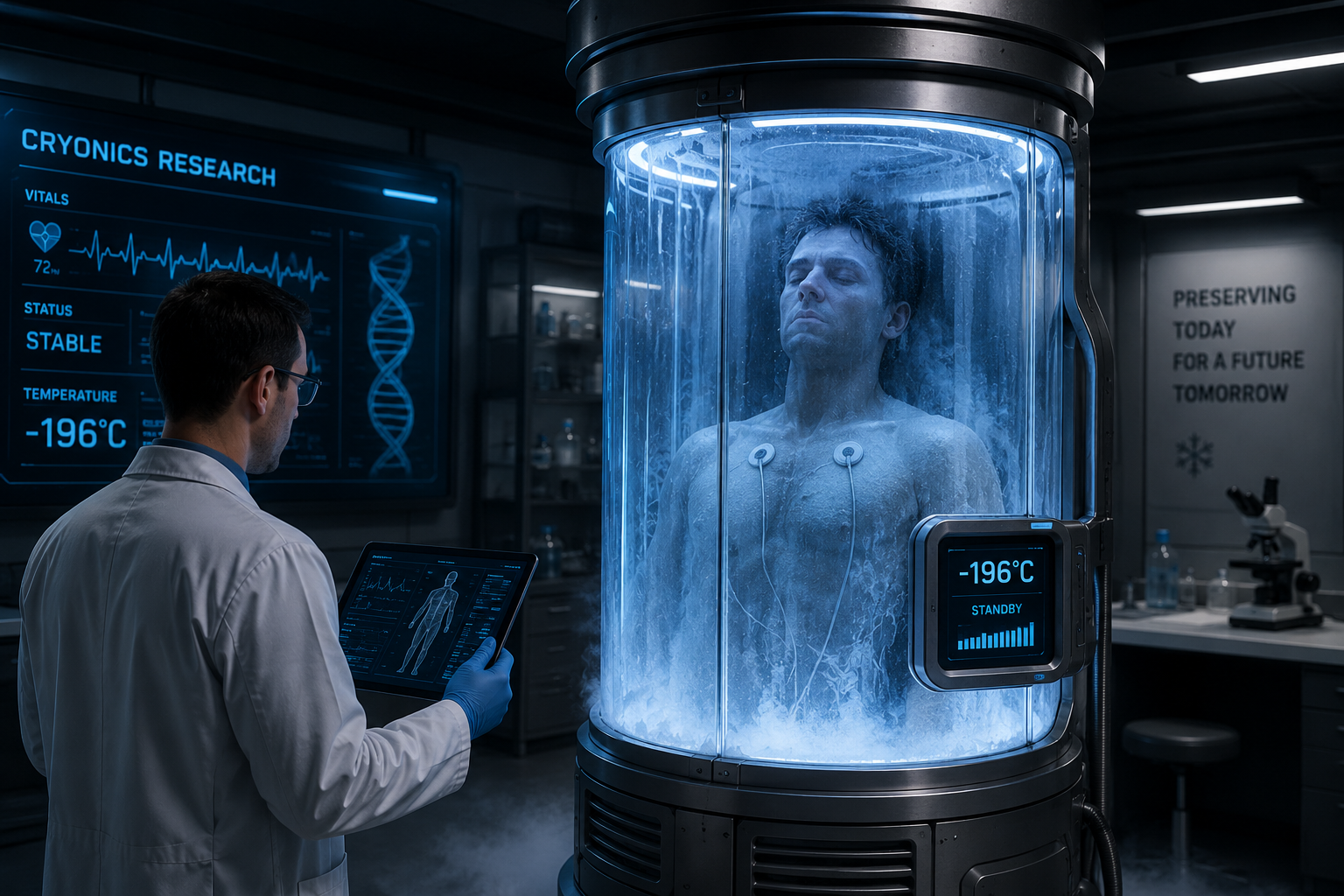
Cryonics remains one of the most controversial ideas at the edge of medicine and futurism, but a new survey found an unexpected divide among doctors. Researchers asked 334 physicians, including primary care doctors, intensive care specialists, neurologists, anesthesiologists and neurosurgeons, how plausible they consider future revival after brain or body preservation.
Overall, skepticism remains strong. Only 27.9% of all surveyed physicians described cryonic revival as plausible or very plausible. Neurosurgeons, however, were far more optimistic. When asked whether whole-brain preservation could retain critical psychological information — including memory, personality and identity-related structures — they gave a 72% median probability of success. Across the full physician group, the median estimate was only 25.5%.
The gap may reflect how neurosurgeons think about the brain as a structural information system. If the physical organization of neural tissue can be preserved well enough, some specialists believe future technologies might eventually recover what makes a person mentally continuous.
Still, this does not mean cryonics has been proven. No human has ever been successfully revived after cryonic preservation, and the field would require major breakthroughs in neuroscience, repair medicine and molecular reconstruction. The real takeaway is more cautious: some medical experts now see brain preservation as a scientifically discussable hypothesis, not just science fiction.