
Boeing CEO calls recent China aircraft deal a successful first step for future sales
5/28/2026, 11:03 AM • Богдан Семичев
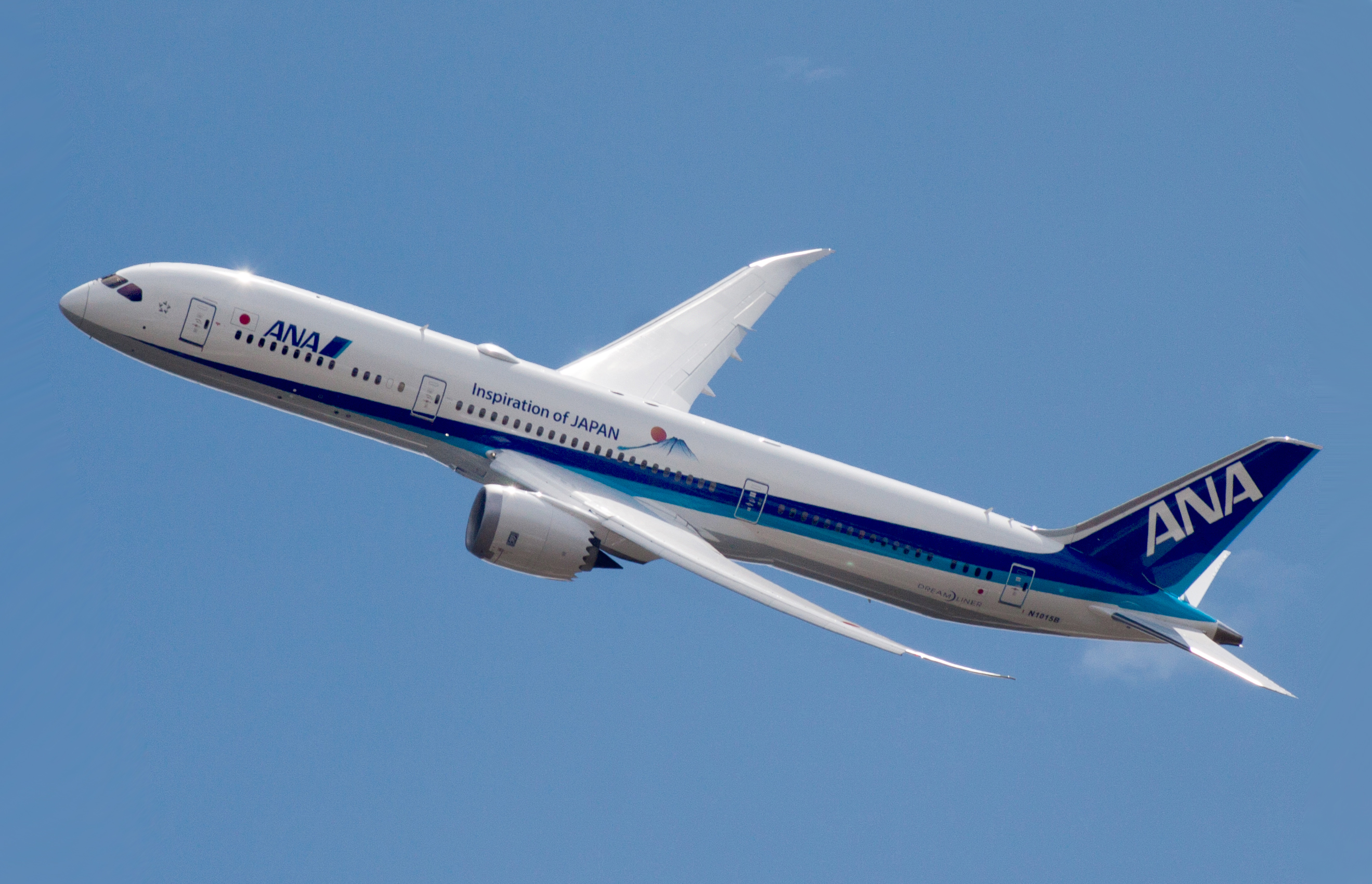
The recent visit of US President Donald Trump to China marked a significant reopening of major aviation contracts, though the final figures triggered mixed reactions across the market. The American aerospace giant Boeing officially secured an order for 200 aircraft, a number that investors ultimately found underwhelming compared to earlier rumors. However, Boeing CEO Kelly Ortberg urged stakeholders to look at the bigger picture, characterizing this agreement as merely the starting point of a more extensive long-term partnership.
The top executive described the joint trip to Beijing as a major success, emphasizing that it successfully reopened the Chinese market to the company's narrow-body aircraft after a hiatus of nearly a decade. Ortberg expressed strong confidence that the current contract serves as an initial tranche that will pave the way for subsequent substantial orders. This executive optimism is clearly aimed at softening the blow of high market expectations, given that insider reports prior to the deal indicated discussions around a potential order of approximately 500 planes. Considering that the agreed-upon 200 jets represent entirely new bookings rather than previously unannounced orders, industry experts view this as a solid foundation for future expansion, even though the Chinese Commerce Ministry and state-run airlines have so far declined to comment further.
In tandem with these developments, Boeing shares saw a modest lift, driven heavily by news that the manufacturer cleared a pivotal regulatory hurdle with the US Federal Aviation Administration (FAA). This regulatory green light allows the company to accelerate production of its primary commercial jet, the 737 Max, bumping monthly output from 42 to 47 aircraft. Although Boeing stock has gained only about 3.3% since the beginning of 2026, lagging behind the broader S&P 500 index, it still fares remarkably better than its chief European rival Airbus, which dropped over 12% in the same timeframe. The consensus among market analysts remains overwhelmingly bullish, with Wall Street maintaining buy ratings and setting an average price target of $270.79, implying a strong double-digit upside potential from recent closing levels.