
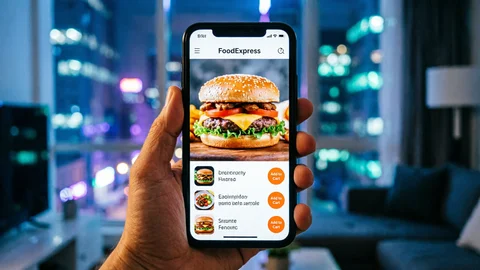
In South Korea, "dopamine websites" - platforms that replicate the food-delivery app interface but do not allow for a real order - are gaining popularity among young people. Users can scroll the menu, add items to the basket, and track "time of delivery," but there is no final confirmation button. For many, this is a way to cope with food cravings and financial pressures: 25-year-old office worker Kim admits that regularly browsing such a website late at night helps him relieve stress without spending money.
In addition to the shipping fake services, there are other formats of digital offloading in the same niche. For example, one of the popular sites imitates a meal: the timer and counter of online users are displayed on the screen, and anonymous messages like "something about this day" appear in the chat. Lee’s 24-year-old student, who is not really a smoker, enters the platform during sessions: feeling like you are "taking a break with someone" reduces feelings of loneliness.
Chunwon University professor Kim Hong-sik associates the proliferation of such platforms with a culture of persistent digital stimulation and growing burnout among young people. In his view, the phenomenon is comparable to the popularity of mukbangs: in both cases it is about receiving emotional satisfaction without performing a real action. In an age of uncertainty, even a faint sense of others' presence can temporarily reduce anxiety - and this is what makes "dummy websites" appealing to those who avoid full-blown social connections.