
Traditional banks against the Genius Act: How the Federal Reserve's new initiative will deprive Wall Street of its monopoly on digital asset servicing
5/21/2026, 11:26 AM • Богдан Семичев
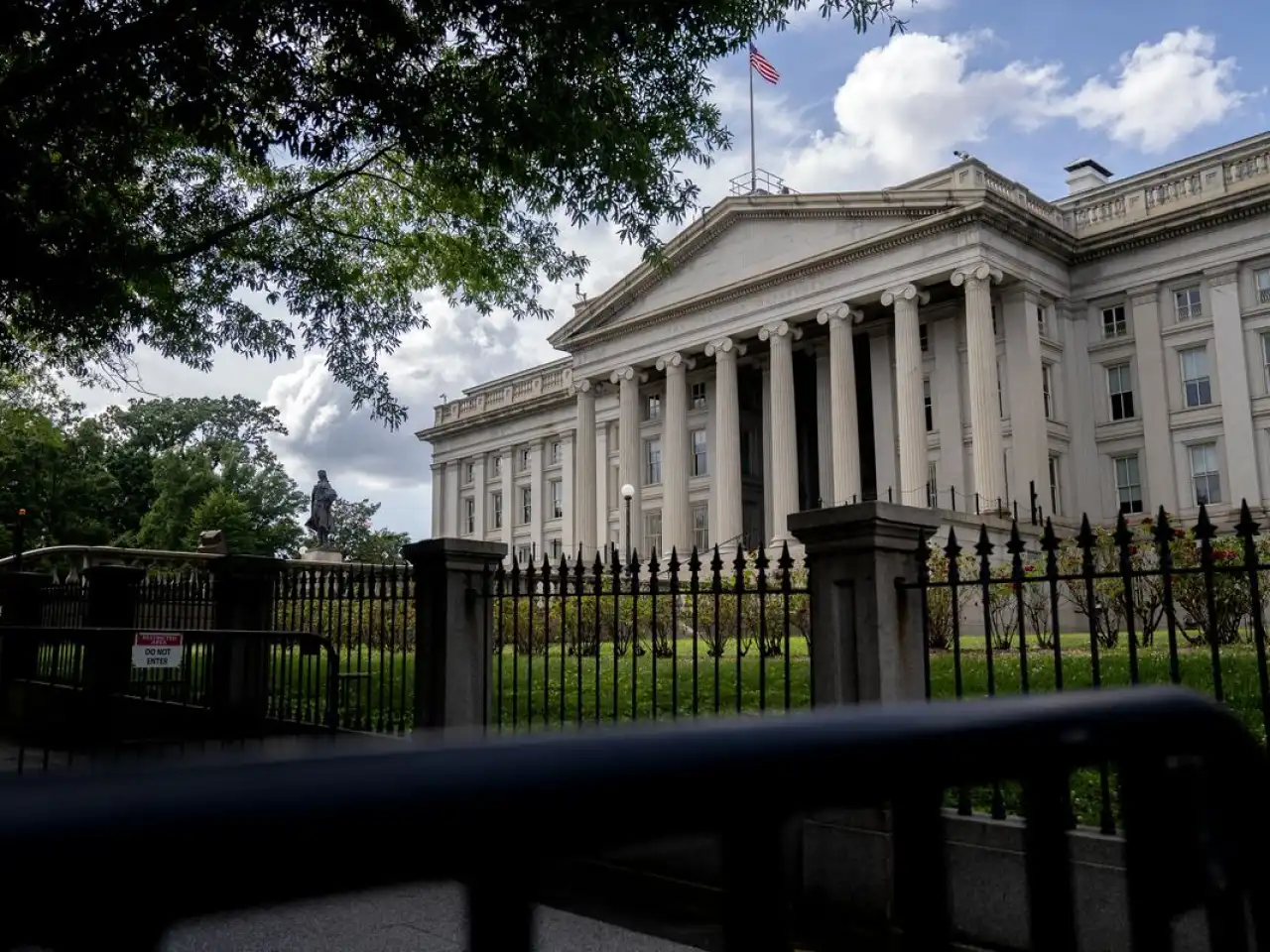
The US Federal Reserve has launched a groundbreaking initiative and officially launched a public comment process for a proposal to create a new type of payment account. This radical step by the US regulator is aimed at providing the largest cryptocurrency organizations with direct access to government settlement and clearing systems without any involvement of banking intermediaries. The proposed reform is intended not only to support large-scale technological innovation in the digital asset sector but also to significantly reduce systemic risks for central banks by increasing operational transparency.
According to the Federal Reserve's preliminary regulations, holders of specialized master accounts will have a unique opportunity to directly connect to the key US payment infrastructure. Moreover, the new accounts will operate within strict frameworks and will not be subject to overdrafts, intraday loans, the Federal Reserve's discount window, or interest accrual on capital balances. This strict custody architecture is intended to ensure a balance of security, allowing legitimate crypto businesses to permanently shed their critical dependence on commercial banking conglomerates. The Federal Reserve's swift actions were a direct consequence of US President Donald Trump's recent executive order demanding the immediate elimination of excessive regulatory barriers hindering the harmonious integration of the blockchain industry into the traditional economic space.
It's worth noting that such aggressive reform of the American financial system has deep personal and political underpinnings, directly related to the concept of debanking. Representatives of the Trump family previously openly acknowledged that they launched a large-scale campaign to support digital currencies after facing unprecedented pressure, when leading Wall Street players, including JPMorgan Chase and Bank of America, blocked their accounts under pressure from the previous administration. The situation began to change dramatically last year with the passage of the Genius Act, a stablecoin law, and the White House's current lobbying for the Clarity Act is finally opening up new horizons for crypto companies. The traditional banking sector continues to fiercely resist these developments, seriously fearing a massive outflow of liquidity and the departure of key clients to an alternative digital ecosystem.