

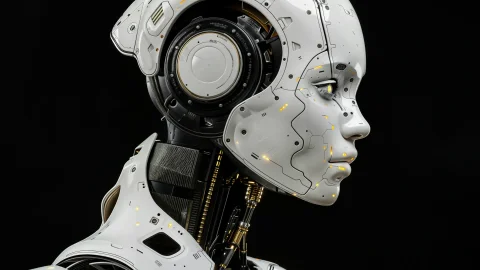
The team from the Jacobs School of Engineering reported two successful preclinical trials of surgical robots, marking a historic event in medical robotics. The fundamental difference between these machines and existing systems is that they work with standard manual surgical instruments designed for human doctors, whereas previous robotic telesurgery systems always required specialized manipulators tailored to their design. In the first trial, a robot working alongside a human assistant removed the gallbladder from a live pig, with a veterinarian controlling anesthesia and the animal's overall condition. In the second experiment, two robots worked as a pair and performed the same operation completely autonomously, without any human intervention in the surgical process, demonstrating an unprecedented level of autonomy for medical robots.
Most modern surgical robots, including more than seventeen hundred da Vinci systems installed in hospitals worldwide, weigh approximately 817 kilograms and occupy a significant portion of the operating room. In contrast, the Surgie robot weighs only 27 kilograms and has two legs that enable it to walk, opening up the possibility of independent movement around the operating room to retrieve necessary instruments. Professor of Engineering Michael Yip emphasized that remotely controlled and autonomous humanoid robots have real potential to expand access to critically important operations in places where patients otherwise could not receive them. This could help address the healthcare crisis not only in the United States but throughout the world, especially in populated areas experiencing an acute shortage of surgical personnel.
One of the identified challenges was signal delay during remote control; however, surgeon Shanlei Liu noted that the slow pace and periodic need for recalibration are typical for early-stage development systems. Liu suggests that Surgie could potentially be easily deployed anywhere: in rural areas with limited access to medicine, on the battlefield for emergency care, and even in space to support astronauts. One can imagine these robots in remote areas with difficult staffing situations or in the harsh conditions of search and rescue operations, where large-scale field medicine needs to be established quickly. These trials open a new era in surgery where humanoid robots can become reliable assistants to doctors or even their temporary replacements in extreme conditions.