The cost of artificial intelligence services is rapidly falling, while the equipment it runs on is not getting cheaper. This gap has caught the attention of analysts from The Macro Paper, a project that writes about global financial markets. They believe that this situation could result in significant losses for the AI industry.
AI services are getting cheaper, but chip rental is not
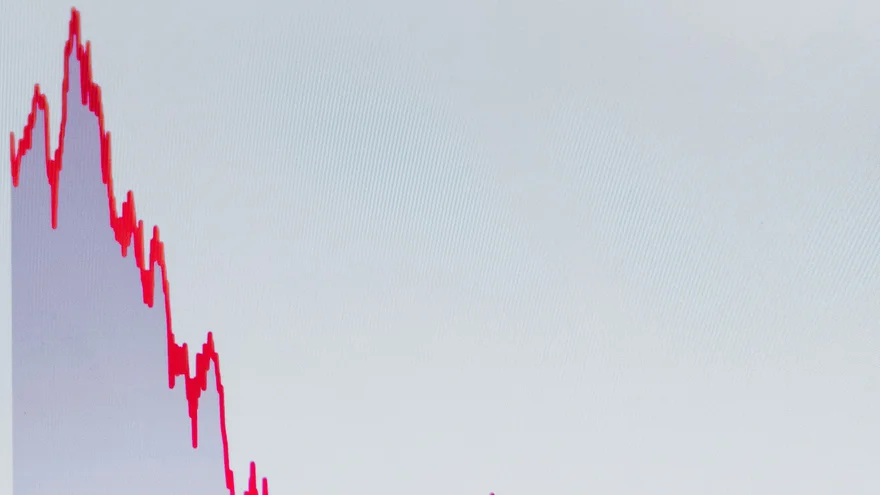
The analysts rely on data from the investment company Citadel Securities. Since June, prices for AI tokens have been steadily decreasing. A token is a small piece of text processed by a neural network. Clients pay for tokens when they use ChatGPT and similar services. The cheaper the token, the less the company earns from each request.
Meanwhile, the rental price of Nvidia H100 graphics chips has remained almost unchanged. These chips are necessary for neural networks to function. Companies do not always purchase them but often rent them from data centers. One hour of H100 operation still costs about $2.70.
On the graph from December 2025 to September 2026, there are two lines: the blue line represents the hourly rental price of H100, and the black line represents the token price index from Silicon Data. From June to July, both lines decrease together. From July onwards, token prices continue to fall sharply, while H100 rental remains at the same level.
Companies are charging clients less and less, while paying the same amount for computing. Despite this, the industry continues to spend hundreds of billions of dollars on new data centers and chip purchases. Most of this money is borrowed or arranged through long-term contracts.
Why this is dangerous
If AI service prices continue to fall while equipment costs remain high, companies will spend more than they can recoup. When new data centers become operational, the supply of computing will increase, and AI service prices may drop even further.
The main risk, according to The Macro Paper, is that the industry is spending record amounts, while the return on these expenditures is diminishing. If this trend continues, the market losses could be much greater than investors currently anticipate.
This material is prepared solely for informational purposes and does not constitute financial advice or a recommendation.
Related articles