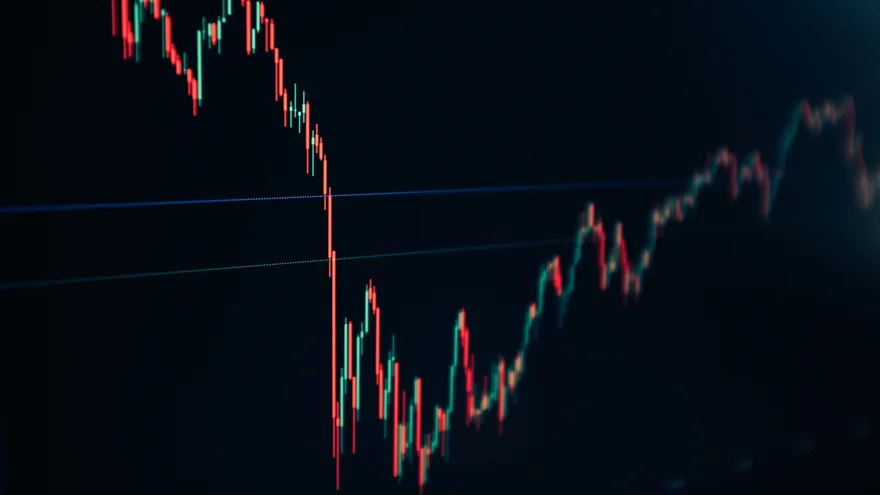
Shares of Chinese agricultural products supplier Farmmi rose sharply. The company's stock jumped more than three hundred and twenty percent. The ticker FAMI is currently trading on the American Nasdaq exchange. The shares closed the previous trading session at eleven cents. The price momentarily reached fifty US cents on September 2. Trading volume amounted to approximately eight hundred sixty-seven million shares. The day before, the figure was less than six million shares. Volume increased roughly one hundred and fifty times within a single day. By the close of trading, the quotes pulled back to fifteen cents. Meanwhile, the market capitalization of the memecoin JINQIAN reached sixty million dollars. This token is actively traded on the Robinhood Chain network. No direct financial connection exists between the token and the shares.
On August 31, crypto trader Rune published a post on the network. The trader claimed to have purchased thirty-seven percent of a certain company. The firm's market capitalization was approximately five million dollars at the time. The shares were trading at roughly twelve US cents each. Short interest allegedly reached ninety-two percent of the market. The trader spent nearly two million dollars to acquire the stake. Rune described the idea of tokenizing the purchased shares on the blockchain. The launch of a memecoin was intended to create demand for the on-chain version. The crypto community began searching for a company matching that description. Farmmi with the ticker FAMI on the exchange emerged as the main candidate. The company described a variety called Jinqian mushroom in its annual report. The variety translates from Chinese as money mushroom.
Rune subsequently admitted that the story did not correspond to reality. A neural network, Claude, automatically generated the post upon request. The trader denied any involvement in the issuance of the FAMI and JINQIAN tokens. An unknown user effectively reproduced the key figures on the blockchain. On September 1, the FAMI token appeared on Robinhood Chain. The total supply amounted to thirty-seven million token units. That number coincides with the share count following the June placement. One address received twenty-three million tokens immediately. Approximately thirty-eight percent remained with the token developer. Analysis of on-chain operations revealed the developer's use of a PoolRepricer contract.
On the morning of September 2, the main JINQIAN/FAMI pool was created. The pool appeared two minutes after Nasdaq opened. The initial price of JINQIAN was approximately one-tenth of a cent. By midday, the token had reached seven and a half cents. The price rose roughly eighty-five times rapidly. Trading volume in the pair exceeded ninety million dollars. Simultaneously, movement began in the actual shares of Farmmi. The peaks of the token and the real stock coincided within the same period. The market capitalization of JINQIAN stood at approximately sixty million dollars. Before the frenzy, Farmmi belonged to the nano-cap category of companies. The market valued the company at just a few million dollars.
Purchasing tokens does not result in the purchase of actual shares. Robinhood states that official instruments are issued by Jersey Limited. The tokens are debt securities with economic exposure. The FAMI smart contract address is identified as a standard ERC-20 token. The service returns no results when searching the official registry. On-chain FAMI reached one dollar and eighty-three cents. The actual share reached a maximum of only fifty cents. On August 11, the company received a warning from Nasdaq. The shares closed below one dollar for thirty trading days. The deadline for restoration has been set for February 8, 2027. The memecoin created speculative demand without any direct connection to the underlying asset.
***
This material is prepared exclusively for informational purposes and does not constitute financial advice or a recommendation.