Albuquerque Completely Bans Crypto ATMs Due to Fraud

The Albuquerque City Council in New Mexico has banned the placement and use of crypto ATMs, as well as transactions with digital assets through cashiers. Once the ordinance takes effect, operators must immediately disable the devices and dismantle them within 45 days. The new rules prohibit not only the installation, maintenance, and placement of crypto ATMs by their owners but also by companies providing venues for such devices. The restrictions also apply to situations where a store employee or another facility accepts payment for the purchase, sale, or transfer of cryptocurrency through a website, app, payment terminal, or other platform. However, the ban does not affect the ownership of digital assets, mining, software development, and transfers between users or via the internet without the involvement of crypto ATMs and cashiers.
The initiators of the ban were city council members Stephanie Telles and Tammy Fiebelkorn. Telles stated that about 90% of transactions through crypto ATMs in Albuquerque are related to fraud, although she did not provide independent confirmation of this estimate. According to her, legitimate users of digital assets rarely choose such devices due to high fees. She claims that crypto ATMs are predominantly used by fraudsters, organized crime groups, and human traffickers. Fiebelkorn noted that the city decided to address the problem independently, without waiting for federal measures. Violations of the new rules are subject to fines, and authorities can seek the dismantling of devices through the courts and revoke licenses from companies that continue to operate them. Similar bans have already been introduced or approved in several other U.S. states, including Delaware, New Jersey, Indiana, Tennessee, and Minnesota.
According to the FBI, in 2025, Americans filed more than 13,400 complaints about fraud involving crypto ATMs, with reported losses exceeding $388 million. The number of complaints increased by 23% over the year, and the volume of losses grew by 58%. More than half of the complaints came from people over the age of 50, accounting for over $302 million in losses. The FBI specifically warned that these amounts cannot be entirely attributed to crypto ATMs, as some statements included other methods of transferring funds.
Despite this, the U.S. remains the largest market for crypto ATMs, accounting for 70.8% of devices worldwide, and North America as a whole accounts for 85.1%. The largest operators are CoinFlip with 4,931 devices (18.1% of the market), Athena Bitcoin with 3,283 (12.1%), and Bitstop with 2,831 (10.4%).
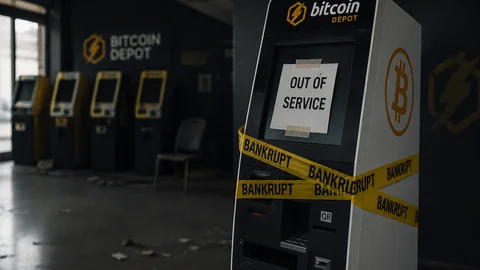
The problems for operators are not limited to current regulations. In September 2025, Athena Bitcoin was accused of profiting from fraud against the elderly and failing to disclose inflated fees – a lawsuit was filed by Washington D.C. Attorney General Brian Schwalb; the company denied the allegations. In March 2026, Bitcoin Depot lost its license in Connecticut, at the same time the company's management changed, and revenue forecasts fell by 40%. In April, the company's systems were hacked, stealing $3.7 million, and in May, Bitcoin Depot filed for bankruptcy in Texas.
Related articles