The Binance Hack Could Change Cryptocurrency Storage for Major Investors

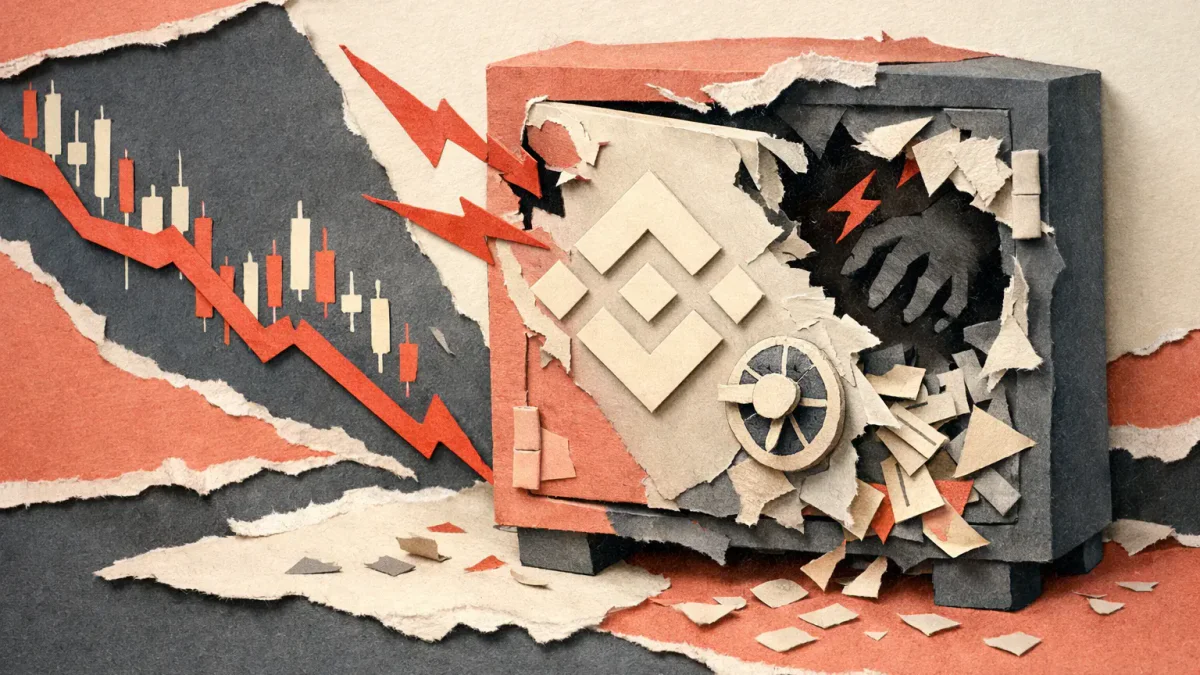
The hack of the Binance cryptocurrency exchange on October 29, 2026, may influence institutional investors' approach to storing and trading cryptocurrencies. According to Joshua Lim, head of global markets at FalconX, concerns about the security of centralized platforms may increase the demand for independent custodians—companies that store digital assets separately from trading platforms.
In an interview with Cointelegraph on November 13 at the Digital Asset Forum in New York, Lim noted that market participants initially underestimated the consequences of the incident. However, they later began to consider its potential long-term impact on institutional cryptocurrency trading.
According to the analytical company Chainalysis, attackers linked to North Korea stole about $6.4 billion in cryptocurrency as a result of the attack. This is the largest theft of digital assets in recorded history.
Institutional investors may store cryptocurrency outside exchanges more frequently
Lim suggests that in 2027, one of the notable directions for market development will be trading cryptocurrencies without the need to constantly place assets directly on exchange accounts.
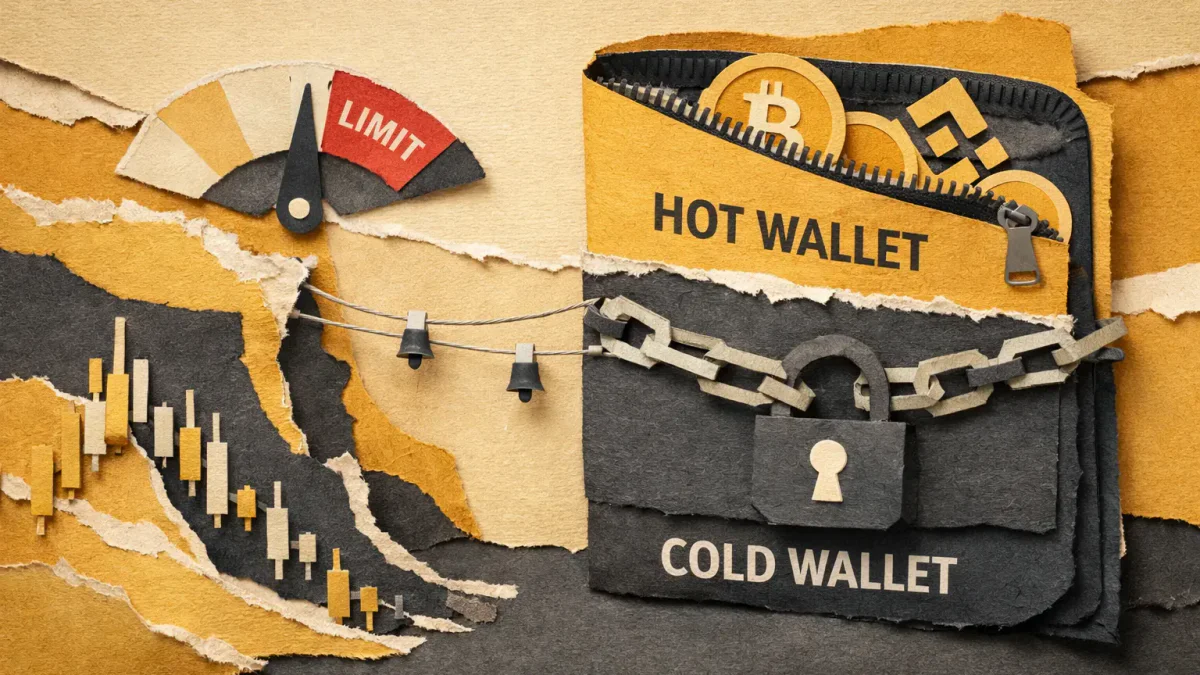
This model implies that funds remain with a separate custodian, while the investor can make transactions on connected trading platforms. This reduces dependence on storing assets directly on the exchange, although risks associated with custodians, brokers, and transaction settlements remain.
As an example, Lim mentioned the company Copper and its ClearLoop service. It allows institutional clients to use digital assets in trading operations while keeping them with a separate storage service provider.
According to Copper, in the first quarter of 2026, collateral protected by ClearLoop supported a nominal trading volume of perpetual futures exceeding $240 billion. This is more than twice the figure for the same period of the previous year.
The development of such mechanisms was also noted by the U.S. Securities and Exchange Commission (SEC). In a proposal published in October regarding the regulation of crypto asset storage, the agency indicated that market practices are gradually reducing the need to transfer funds from authorized custodial storage directly to trading platforms.
Over 11,000 BTC withdrawn from Binance in three days
Amid discussions about the consequences of the Binance hack, the exchange recorded a significant net outflow of Bitcoin.
According to CryptoQuant data, from November 13 to 15, the volume of BTC withdrawn from the exchange exceeded inflows by approximately 11,115 BTC:
November 13 – 2,771 BTC
November 14 – 2,708 BTC
November 15 – 5,636 BTC
However, it is impossible to establish a connection between the transfers and the October hack based on this data. The funds could have been transferred to personal wallets, accounts of independent custodians, or other trading platforms.
On the evening of November 16, Bitcoin was trading around $65,000, having lost approximately 20% of its value over the previous month, according to CoinGecko data.
How institutional trading might change in 2027
In addition to the shift towards external cryptocurrency storage, Lim expects an increase in demand for round-the-clock trading of instruments related to traditional financial markets. This includes oil, gold, and stock indices.
Such opportunities are already offered by certain crypto platforms, including Hyperliquid, where derivative contracts related to traditional assets are available.
However, according to a FalconX representative, the infrastructure for lending and risk management is currently developing more slowly than trading capabilities.
One of the problems is that an investor's positions on different platforms may be considered separately by lenders, even if the corresponding transactions partially offset each other's risks. This makes it more difficult for market participants to obtain margin financing for the overall portfolio.
Lim believes that the development of such services, along with independent custodial storage, will become one of the important directions for the institutional crypto market in 2027.
This material is prepared solely for informational purposes and does not constitute financial advice or a recommendation.
Related articles