Binance Used Half of SAFU Bitcoin Reserves After $6.3 Billion Hack
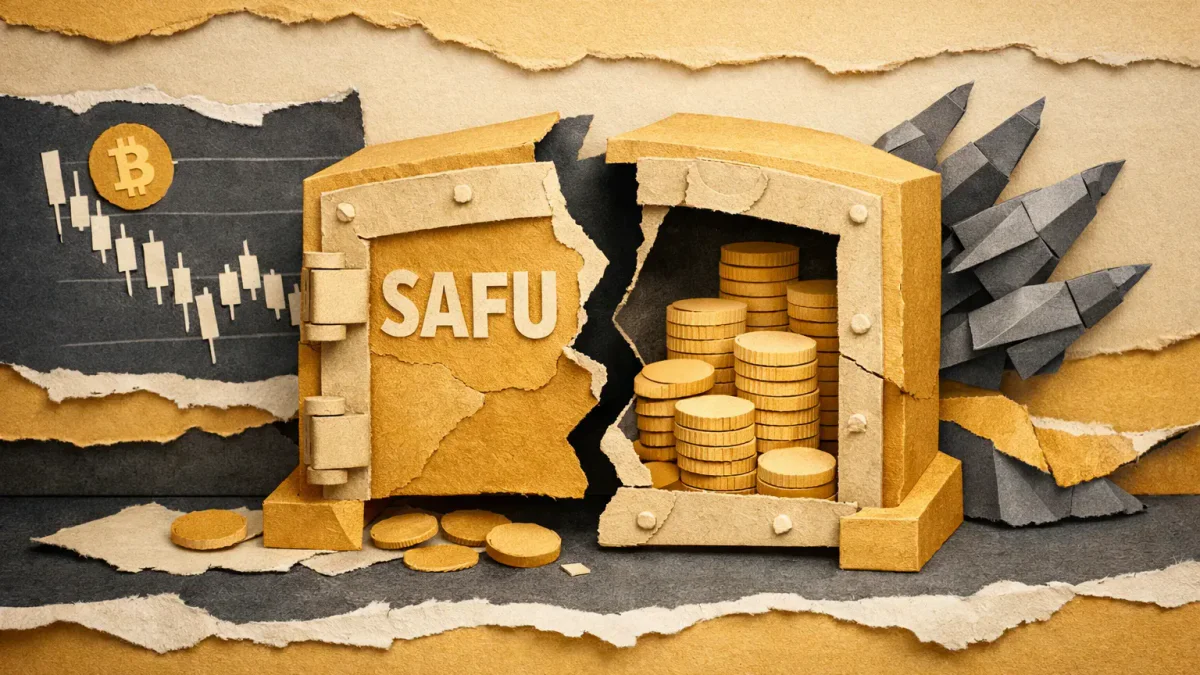
The publicly disclosed emergency Bitcoin wallet of Binance – Secure Asset Fund for Users (SAFU) – held about 7,500 BTC worth $583 million on Monday, October 26. This is approximately half of its previous balance: before the transfer of 7,499 BTC on Saturday, the wallet held about 15,000 BTC. The exchange confirmed the transfer and linked it to the partial use of SAFU to cover losses from a $6.3 billion hack on Thursday.
The theft, the largest in cryptocurrency history, forced Binance to suspend withdrawals while it replenished the stolen assets. On Saturday, the FBI attributed the attack to North Korea and identified the hackers as the TraderTraitor group.
Binance began gradually resuming withdrawals on Sunday and stated that it had replenished about 95% of the affected assets compared to 90% the day before. It continues to purchase the remaining less liquid tokens on the market and through over-the-counter deals. Corporate funds, SAFU and part of the futures insurance fund are being used to cover the losses.
SAFU Policy
The SAFU policy provides for regular monitoring and rebalancing of the fund's market value. "If the market value of the fund falls below $800 million due to Bitcoin price fluctuations, Binance will rebalance to restore the value to $1 billion," the document states. The policy does not set deadlines for replenishing funds spent after the security incident. Binance did not respond to Cointelegraph's questions about the remaining SAFU reserves, further expenditures, and plans to replenish the fund.
Reserve Verification
On November 2, Binance announced that users could verify their balances based on the Saturday snapshot of reserves after the completion of cryptographic proof. The snapshot showed that client funds in 10 cryptocurrencies, including Bitcoin, Ether, and USDT, are backed at least 1:1. On Wednesday, the exchange plans to take a new snapshot covering more tokens, with the proof to be generated in another 40–50 hours.
This material is prepared solely for informational purposes and does not constitute financial advice or a recommendation.
Related articles