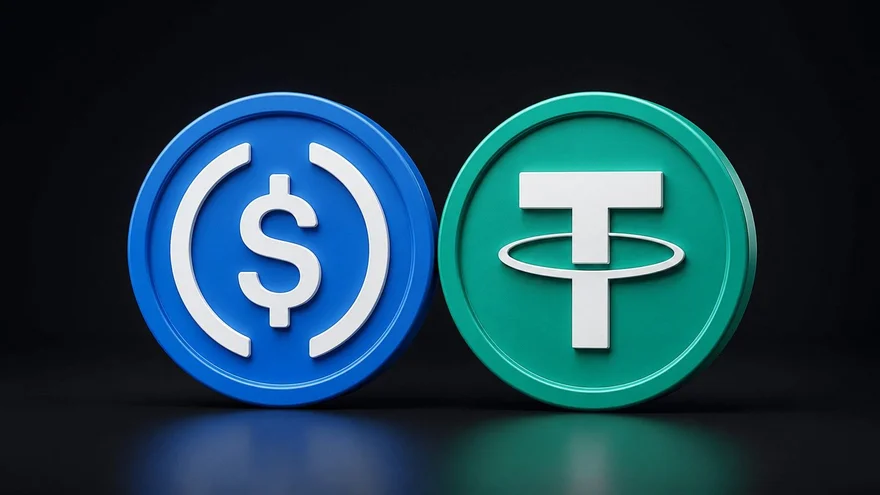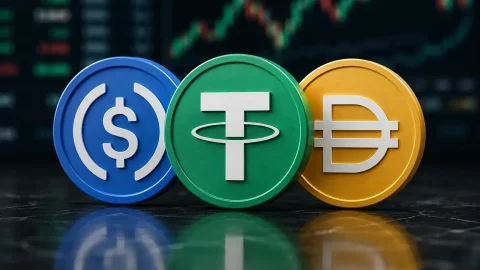
BlackRock stated that stablecoins should remain interchangeable with bank deposits and central bank money to function as regulated settlement assets. Nihil Sharma, head of digital assets at BlackRock, called the central issue the 'unity of money': different forms of the same currency should remain interchangeable at face value. A user paying with a dollar stablecoin should be confident that the recipient's bank will accept the asset and convert it into a deposit obligation without uncertainty in value. 'I could pay with a stablecoin, and the banking infrastructure should accept it, convert it into a deposit obligation, and ensure recourse,' he said.
Sharma noted that this requires compatibility of banking systems and a final settlement mechanism that central banks can provide. Different forms of digital money give investors a choice, but each carries its economic exposure and redemption structure: a bank deposit is a bank's obligation, a stablecoin is a claim on the issuer, and central bank money is a direct claim on the monetary authority. Even when pegged to $1, a stablecoin can trade below par under liquidity pressure or doubts about backing.
Philipp Müller from the Swiss National Bank noted that commercial banks could issue stablecoins, but the central bank must provide them with a safe payment method. 'This could be a wholesale CBDC or fiat money. Time will tell,' he said. Isabel Schnabel from the ECB previously noted that dollar stablecoins could strengthen the dollar's international position as the market approaches $300 billion, while euro-denominated ones hold a small share. She supported a digital euro with a pilot in 2027 and readiness for issuance by 2029.
In July 2025, the GENIUS Act was adopted in the U.S. – a federal regulation for payment stablecoin issuers: only authorized issuers can issue them, with requirements for reserves, disclosure, and oversight. Dollar tokens can expand access to the currency outside banking hours and across borders, and their growth can increase demand for reserve assets. However, reserves do not make a stablecoin identical to an insured deposit: redemption conditions, legal priority, and access to deposit protection vary by product and jurisdiction. Tokenized markets depend on settlement cash: trading an asset on the blockchain does not guarantee that the payment will settle on the same schedule, and on weekends, when traditional dollar rails are unavailable, always-open markets may experience liquidity pressure.
Related articles