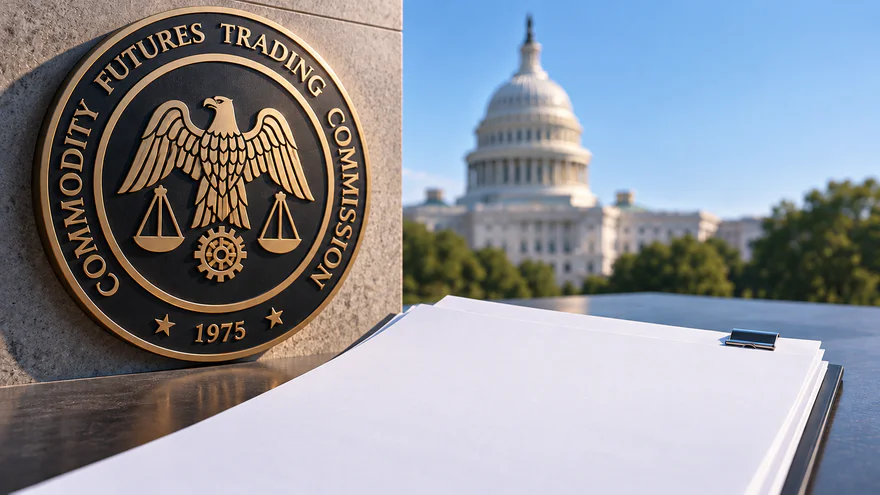
CFTC Sues Louisiana to Block Order Banning Prediction Markets

The U.S. Commodity Futures Trading Commission (CFTC) has filed a lawsuit against the state of Louisiana, seeking to block an order that closes prediction markets in the region. This legal move highlights the ongoing tension between federal and state authority in the regulation of financial markets. The CFTC's lawsuit could become a significant milestone in determining how federal and state regulators interact in the financial services sector and what consequences other states might face in similar actions.
According to CFTC representatives, prediction markets provide unique opportunities for analysis and information dissemination, making them valuable for financial market participants. The closure of these markets in Louisiana could negatively impact trading dynamics and innovation in this area. Experts note that such actions not only limit opportunities for investors but also cast doubt on the overall viability of existing federal financial regulations. The significance of this situation is heightened by the fact that it touches on broader issues of how federal and state regulation should interact in the financial services sector, making this case a model for potential legal conflicts in the future.
Further statements from both parties regarding this litigation are expected in the near future. The CFTC acts as a defender of the prediction market and seeks to ensure its consistent functioning in accordance with federal standards. Meanwhile, the court's decision in this case could set a precedent for other states and impact the overall regulation of financial markets in the U.S. This could lead to a broader discussion on the role of prediction markets and their influence on the country's financial systems. The legal process will be an important indicator of how higher courts view disputes between federal and local authorities, as well as open new perspectives for the further development of financial markets in the country.
This material is prepared solely for informational purposes and does not constitute financial advice or a recommendation.
Related articles