Chipmakers' Stocks in Asia Rise After NVIDIA CEO's Return
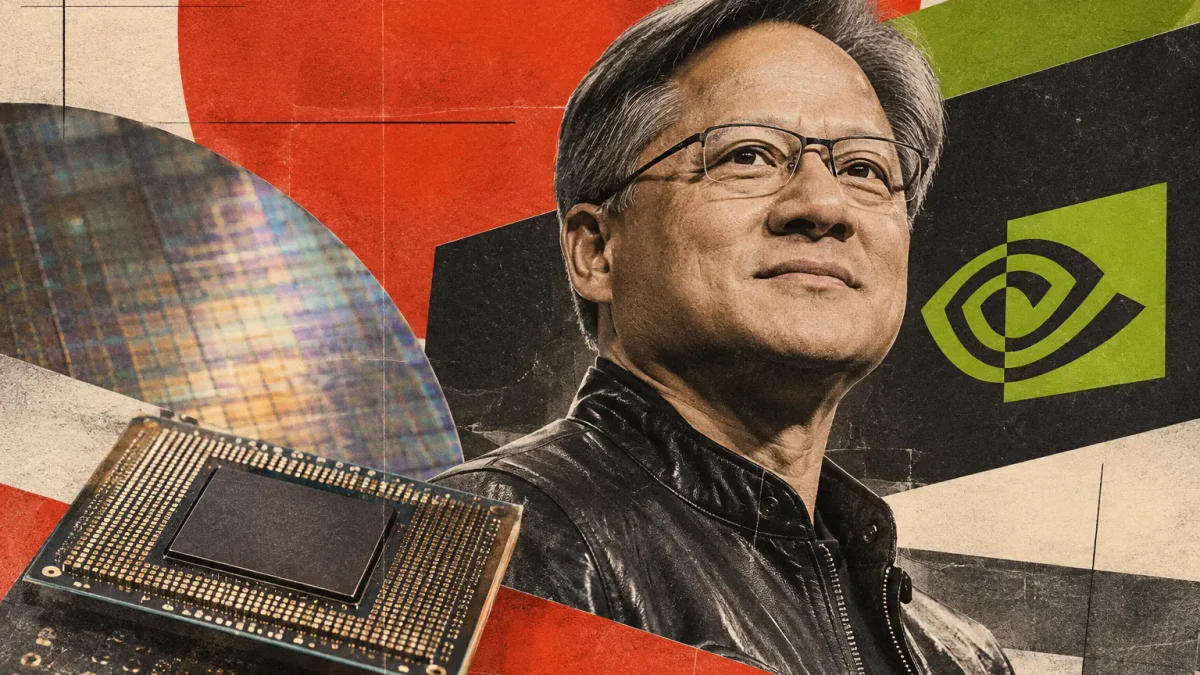
Stock markets in East Asia surged on Tuesday, November 24, following Jensen Huang's return as CEO of NVIDIA.
In the early hours of trading, Taiwan's Taiex index gained about 9%, South Korea's Kospi rose by more than 7%, and Japan's Nikkei 225 increased by over 5% during the session. The main demand was for semiconductor manufacturers and companies related to artificial intelligence development.
Which Companies Boosted Asian Markets
The most notable recovery occurred on the Taiwan Stock Exchange, led by Taiwan Semiconductor Manufacturing Company (TSMC).
Shares of the world's largest contract semiconductor manufacturer rose by 9.9%.
In South Korea, the rally was mainly driven by memory chip manufacturers. By mid-trading, Samsung Electronics had gained 8.3%, and SK Hynix about 9%.
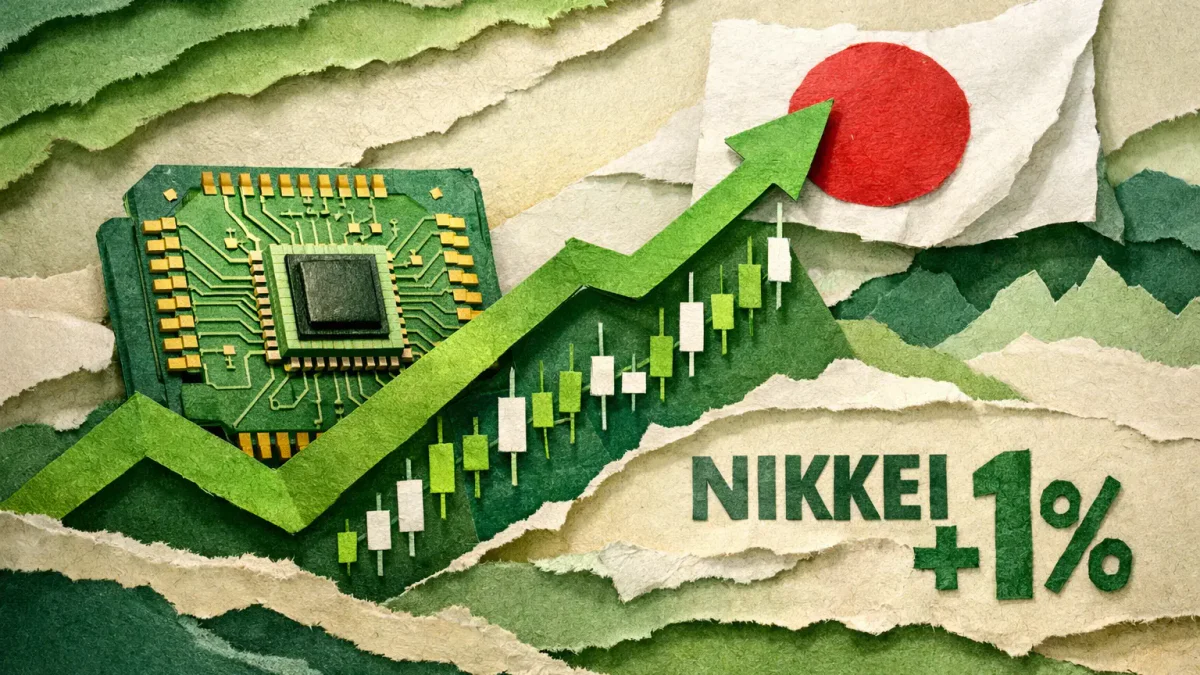
Japan's Nikkei 225 reached 58,675 points by the lunch break, 3.97% higher than the previous session's close. On Monday, the Japanese exchange was closed due to a national holiday.
Meanwhile, the Japanese semiconductor index rose by 8.8%. Shares of equipment manufacturer Tokyo Electron increased by 10.2%, and chip testing systems supplier Advantest by 14%.
Why Huang's Return Triggered Growth
On November 23, NVIDIA officially announced Jensen Huang's return to the positions of president and CEO of the company.
The decision came less than two weeks after his departure and was positively received by stock market participants.
On Monday, NVIDIA's shares rose by more than 30% during trading. The U.S. tech index Nasdaq Composite increased by 6.5%, supporting the recovery of AI-related companies in other regions.
The previous sell-off particularly affected semiconductor manufacturers. For instance, shares of Japan's Kioxia lost nearly 80% of their value in recent months amid concerns about demand prospects for AI infrastructure components.
Why Risks for the Tech Sector Persist
Despite the sharp recovery, investors continue to assess the sustainability of spending on artificial intelligence development.
Key questions relate to the scale of data center construction, demand for computing power, and investment payback periods.
Meanwhile, the growth of Asian markets was uneven. Exchanges less dependent on the international semiconductor industry reacted significantly more cautiously.
Singapore's Straits Times and China's Shanghai Composite gained about 0.9% at the start of trading, while Hong Kong's Hang Seng rose by only 0.2%.
Thus, Huang's return supported chip manufacturers' stocks after a prolonged sell-off but did not eliminate uncertainty about the future development of the AI industry.
This material is prepared solely for informational purposes and does not constitute financial advice or a recommendation.