CZ Published Security Guidelines After Four Data Breaches in a Day
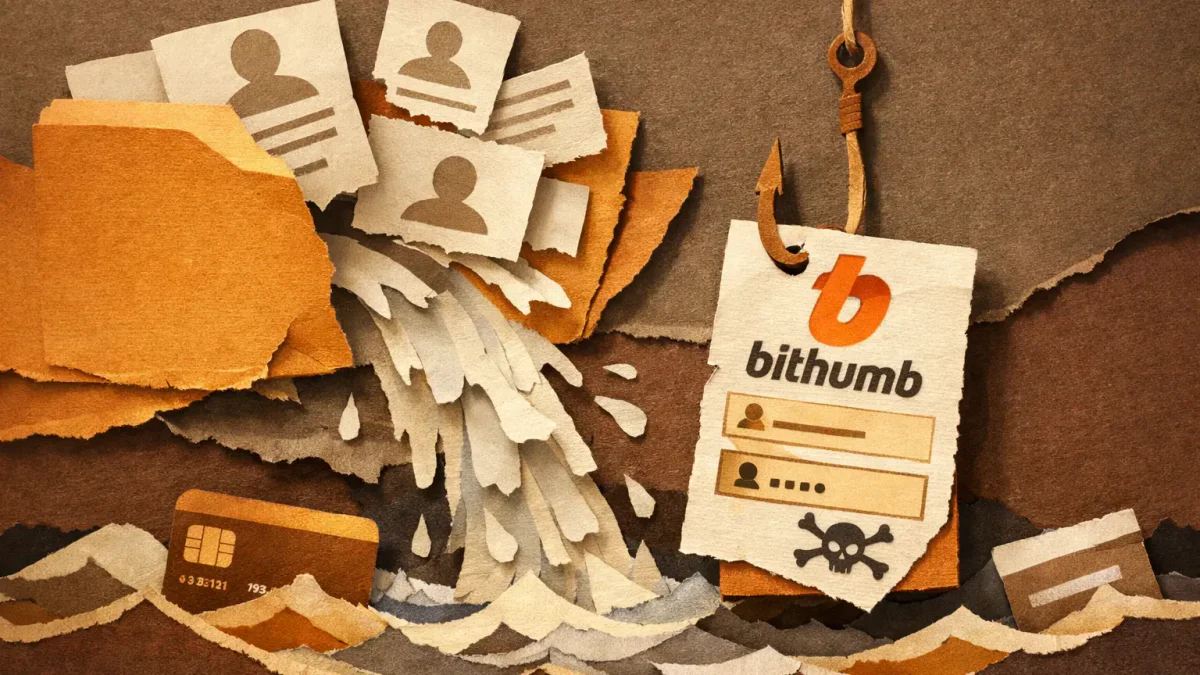
On October 28, Binance founder Changpeng Zhao (CZ) published security recommendations following data breaches in two crypto exchanges and two Korean financial companies: Coinbase, Bithumb, Mirae Asset, and Daishin Securities. According to him, each breach fuels phishing, SIM swapping, and social engineering. In all known cases, funds remained secure, but leaked names, emails, and phone numbers provide scammers with a ready list of exchange users with balances.
Recommendations
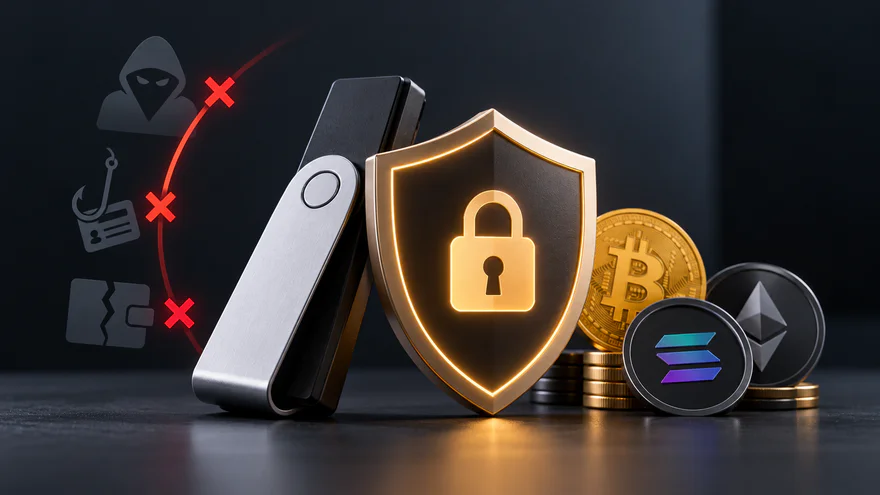
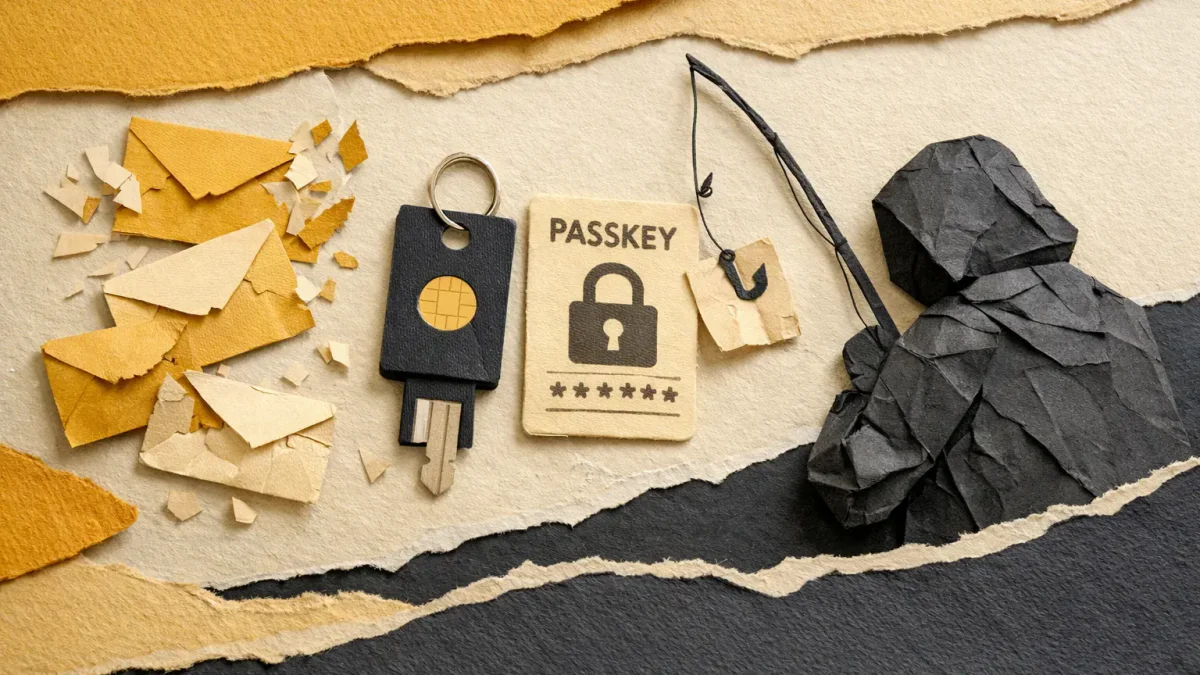
Zhao urged the creation of a unique email alias for each exchange: this way, a breach remains isolated, and it is clear which service lost the data. He also advises against SMS-based two-factor authentication in favor of hardware keys, passkeys, or authenticator apps: leaked phone numbers are a primary path to SIM swapping.
Moreover, anyone contacting you regarding security or fund recovery should be considered a scammer, even if they know account details. Recent phishing emails from the Passport wallet, for example, contained real home addresses of recipients. Zhao advised one user, who complained about ongoing emails, to quickly change their address.
What is known about the breaches
At Coinbase, according to Zhao, data became accessible through Amplitude, an American analytics provider. Bithumb discovered on October 27 that an outsider accessed its internal mobile group communication system, reports Korea Times. In traditional finance, Daishin Securities confirmed a breach affecting 38,490 clients, while Mirae Asset Global Investments stated that hackers only saw the names of some employees.
The Bithumb incident adds a cryptocurrency breach to a wave of attacks on Korean finance that began at Shinhan Bank in late September. The suspect in previous hacks of Korean banks reportedly asked an AI tool where to sell the stolen data.
Physical risk is also increasing: leaked addresses combined with holdings data enable so-called wrench attacks, which netted criminals about $30 million in thefts in the first half of 2026.
A week ago, Zhao claimed that leaked data fuels phishing more than any AI attacks on Bitcoin cryptography. Within a few days, four new breaches provided scammers with fresh contact data in cryptocurrencies and traditional finance.
The name SAFU started with a 2018 meme where the word safe was misspelled; later, Binance named its reserve fund the Secure Asset Fund for Users.
This material is prepared solely for informational purposes and does not constitute financial advice or a recommendation.
Related articles