Data Center Construction Spending in the US Rises by 90% to a Record High
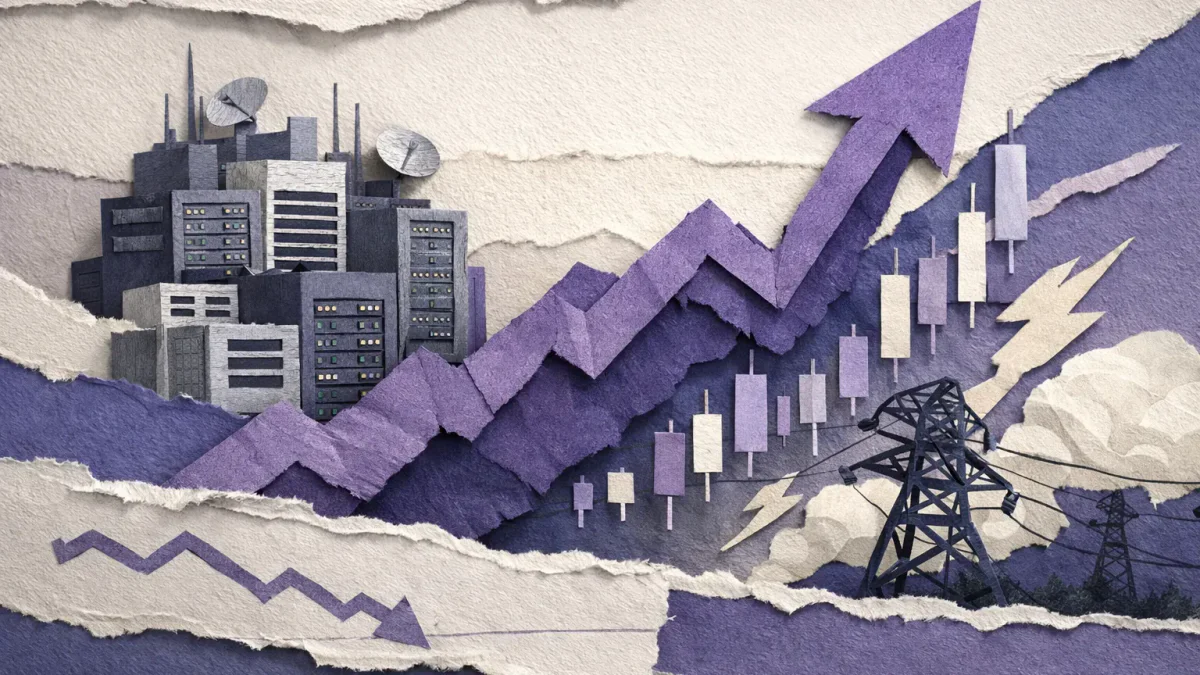
Spending on data center construction in the U.S. reached a record level of $96.5 billion in September 2026, on an annualized basis, increasing by 90.3% compared to the same month last year. According to statistics from the U.S. Census Bureau, the figure rose by 8.6% relative to August, continuing the acceleration of investments in computing infrastructure. Meanwhile, total construction spending in the country decreased by 1.9% for the month, to $2.186 trillion on an annualized basis.
The growth in data center construction is primarily linked to the expansion of cloud computing and artificial intelligence infrastructure. Major tech companies are increasing their capacities for training and operating AI models, which supports the demand for specialized buildings, cooling systems, and power supply. However, large-scale investments create additional risks related to providing new facilities with electricity, construction costs, and potential regulatory restrictions.
Data Center Construction Surpasses Traditional Offices
According to analysts at The Kobeissi Letter, based on U.S. Census Bureau data, in September, spending on data center construction exceeded that of traditional office buildings by a record $50.5 billion. The annual spending rate on data centers reached $96.5 billion, while spending on traditional office construction was around $46 billion. The latter figure decreased by approximately 8% over the year and was near its lowest levels since 2016.
Over the past two years, the gap between these sectors has significantly widened. According to The Kobeissi Letter, since the beginning of 2024, the annual spending rate on data center construction has increased nearly fourfold. Furthermore, the annual growth rate exceeded 60% for four consecutive months.
This trend reflects a shift in the structure of investments in commercial real estate. Demand for traditional office spaces remains relatively weak, while the construction of computing centers gains additional momentum due to AI development. However, the U.S. Census Bureau includes data centers in the broader category of office construction, so it is necessary to separate traditional office buildings into a distinct group for comparison.
Overall Construction Spending in the U.S. Declines
Despite the record expansion of data centers, September was a weak month for the U.S. construction market as a whole. According to official statistics, total spending decreased by 1.9% compared to August and by 2.7% compared to September 2025. The overall figure amounted to $2.186 trillion in seasonally adjusted annual terms.
The main pressure was on residential construction, with private sector spending decreasing by 5.5% for the month, to $848.8 billion. Meanwhile, private non-residential construction grew by 1.1%, to $790.6 billion, highlighting the uneven situation in the industry. Therefore, it would be incorrect to claim a decline in all construction sectors except data centers.
Analysts at KPMG note that data center construction remains one of the main sources of growth in the non-residential segment. In September, spending on such facilities increased faster than most other categories of commercial construction. However, the high concentration of investments in computing infrastructure may increase the sensitivity of individual contractors and equipment suppliers to changes in the investment plans of tech companies.
This material is prepared solely for informational purposes and does not constitute financial advice or a recommendation.
Related articles