Data Center Emissions Could Rise by 70% by 2030
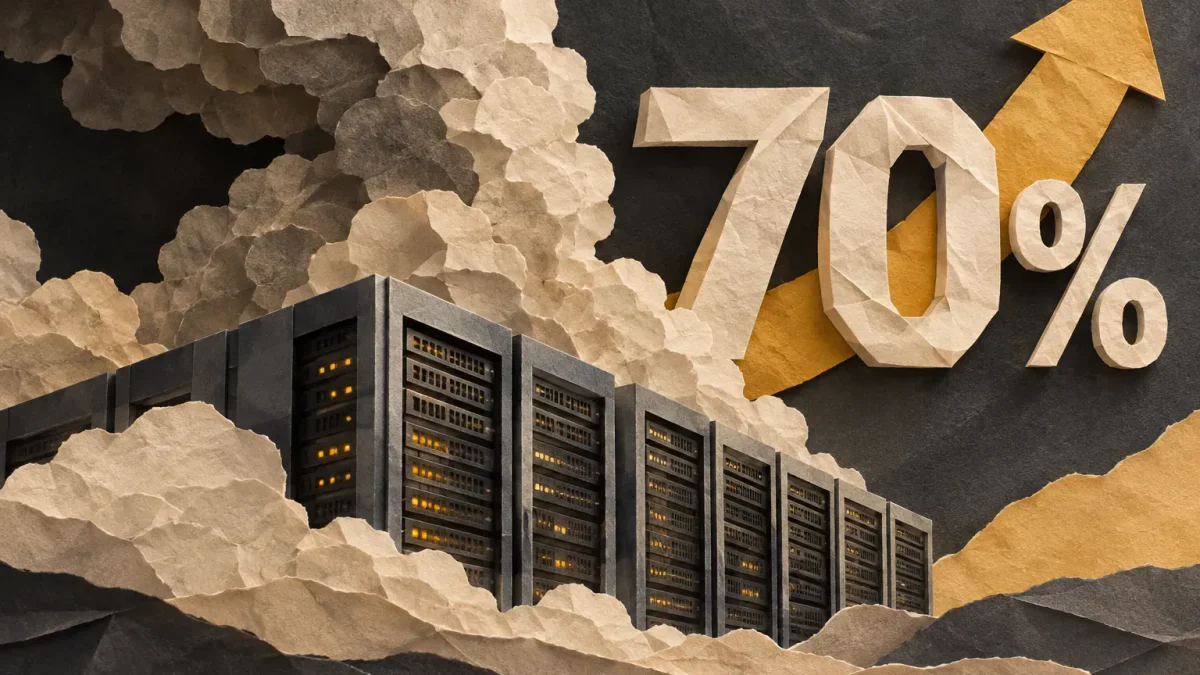
Carbon dioxide emissions associated with the energy supply of global data centers could increase by 70% by 2030. This forecast was presented by the International Energy Agency (IEA) in the World Energy Outlook 2026 report. The main growth factor will be the development of artificial intelligence infrastructure, which requires more computing power and electricity.
Electricity consumption by data centers could double
According to the IEA forecast, by the end of the decade, global data centers will consume about twice as much electricity as they do now. In one of the agency's main scenarios, the figure will reach about 1,000 TWh annually by 2030.
About three-quarters of the increase in energy consumption will be related to the expansion of artificial intelligence infrastructure. The additional demand from AI centers is estimated at approximately 350 TWh per year, which exceeds the annual electricity consumption of the United Kingdom.
The increase in demand is due to the construction of new computing complexes and the growth in the number of servers designed for training and operating AI models. At the same time, the expansion of infrastructure requires additional generating capacities and the development of electrical grids.
The US and China will use different energy sources
According to the IEA, a significant portion of the growing energy needs of data centers will be met by fossil fuels, especially in the US and China.
In China, by 2030, about half of the electricity needed for AI centers may come from coal-fired power plants. The remaining needs are expected to be met mainly by renewable sources, as well as nuclear and gas generation.
In the US, the main source of electricity for data centers, according to the forecast, will be natural gas. Its share could be about 60%.
As of August 2026, projects for new gas power plants with a total capacity of approximately 180 GW, related to the development of data centers, were announced in the country. However, the existence of such plans does not mean that all facilities will be built and put into operation.
The European Union will focus on renewable energy
Unlike the US and China, in the European Union, the main part of the energy consumption of data centers is planned to be provided by renewable sources.
According to the IEA forecast, by 2030, their share in the energy supply of EU data centers could reach approximately 70%. The remaining electricity will be provided mainly by nuclear and gas power plants, while the use of coal will remain limited.
The differences between regions show that the impact of AI infrastructure expansion on CO₂ emissions depends not only on the number of new data centers but also on the structure of energy sources.
At the same time, data center operators are already major corporate buyers of renewable energy. However, according to the IEA forecast, the increase in electricity demand will be accompanied by the continued use of fossil fuels in several major markets.
The agency also highlights the uncertainty of such forecasts. The actual pace of data center and power plant construction will depend on investments, equipment availability, grid capabilities, and the further development of artificial intelligence technologies.
This material is prepared solely for informational purposes and does not constitute financial advice or a recommendation.