
David Schwartz, the chief architect of XRP Ledger and former CTO of Ripple, acknowledged that stablecoin developers made a mistake in their approach during the early development of the crypto industry. According to him, this mistake led to an interface crisis, making payments using stablecoins inconvenient for a wide range of users. The main issue, as Schwartz noted, was the belief that every USD stablecoin would be used with the currency code 'USD', and there would be no need to support ticker symbols. This perception resulted in a disregard for user needs in the context of various stablecoins.
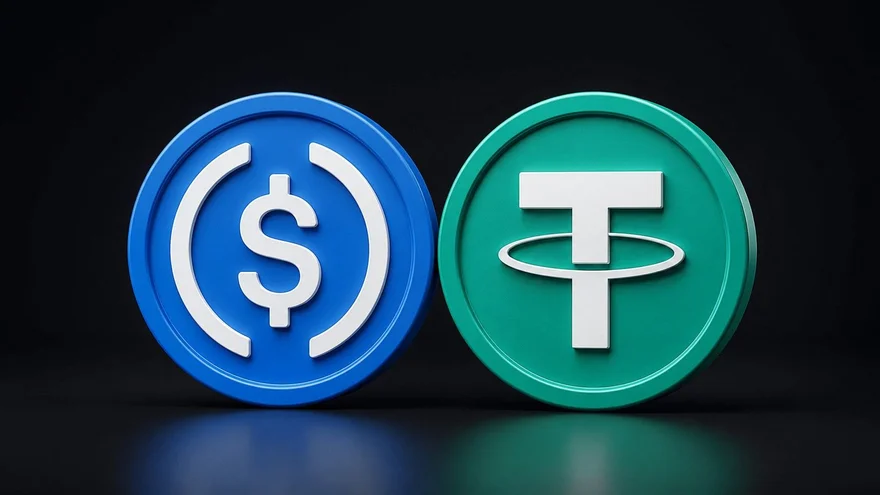
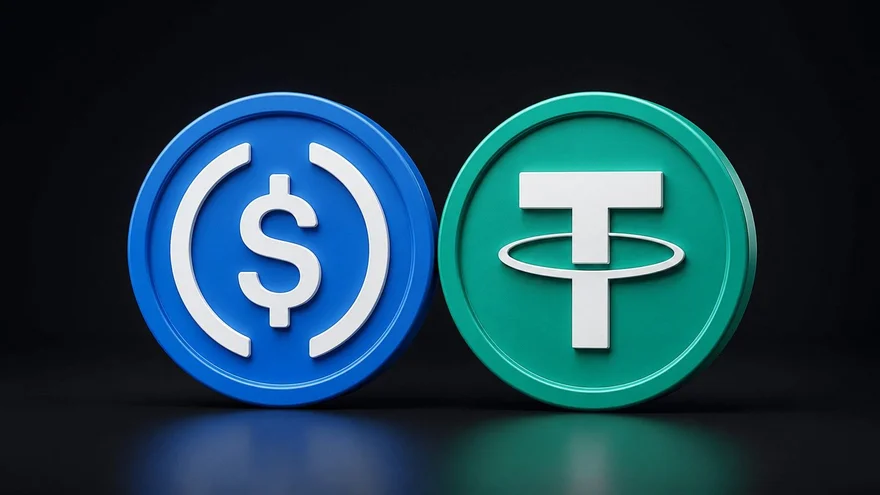
Currently, decentralized finance has become critically fragmented, caused by the emergence of many major players, each creating their own individual 'dollar'. Users face the necessity of navigating tickers such as USDT, USDC, and RLUSD, which disrupts the familiar user experience. In Schwartz's opinion, it is important to rethink the approach to displaying assets in payment systems: he suggests using two types of tickers – a global one that defines the very nature of the asset, and a user-specific one that is individually tailored depending on how much trust a person has in the issuer.
In practice, XRP Ledger has technically already addressed this issue through the trust line mechanism, which allows users to clearly specify which assets and from which issuers they are willing to accept in their balances. However, most modern crypto wallets still only read textual tickers, completely ignoring information about the issuer. Schwartz believes that until wallets start to flexibly link issuers with currency codes, mastering payments with stablecoins will remain a complex tool for a limited circle of enthusiasts, rather than a simple and unobtrusive substitute for fiat currency.
Related articles