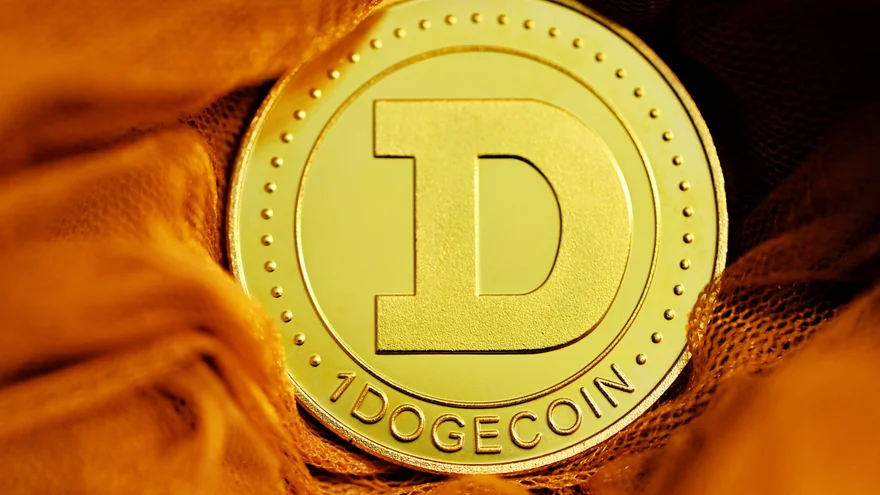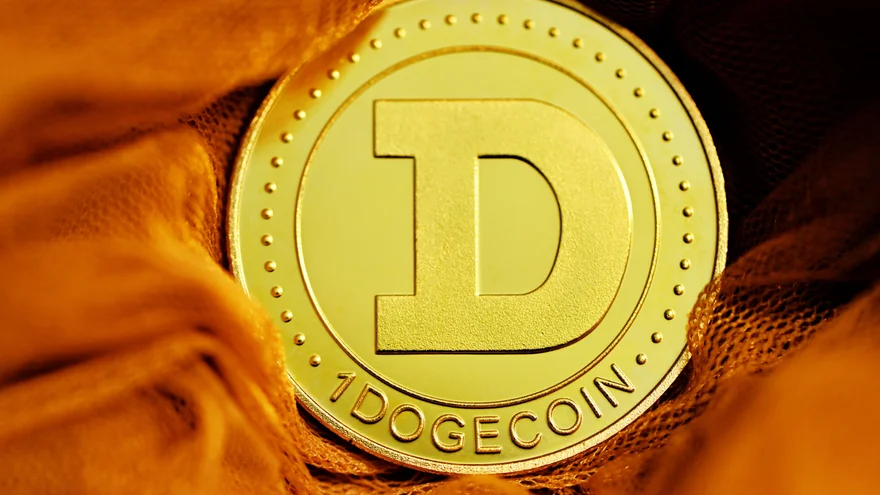
Dogecoin was trading around $0.084 on Tuesday after bouncing off an intraday low of approximately $0.0800. However, outflows from ETFs, decreasing asset concentration in large wallets, and weak technical dynamics continue to pressure the recovery.
On Monday, funds related to DOGE recorded outflows of $399,460 after a week without net flows, according to SoSoValue. This indicates weakening demand through these products. Redemptions could reduce one source of support, although one day of flows does not indicate a sustained shift in institutional sentiment. The data also does not show where the withdrawn capital subsequently went.
According to Santiment, wallets with more than 100 million DOGE hold 69.74% of the circulating supply compared to 70.02% on September 1 – a decrease of 0.28 percentage points. This indicates less concentration of supply among the largest addresses, although such categories may include exchanges and other entities, and the decrease in share does not necessarily mean that all affected tokens have been sold.
DOGE remains below key averages
At $0.084, Dogecoin is trading below the 50-day EMA at $0.0876 and the 200-day EMA at $0.0923. These levels form major resistances and confirm a bearish short-term structure.
Momentum indicators are weak: the MACD has crossed below the zero mark, and the RSI is around 39. This indicates subdued buying momentum but remains above the oversold threshold of 30.
The nearest downside target is $0.0800, corresponding to the February 6 low. A confirmed break below could bring the July 23 low of $0.0683 into focus. This would imply a drop of approximately 15% from support, or about 18% from the stated price of $0.0829.
On the upside, a sustained recovery above $0.0876 would help alleviate pressure. The next major barrier is the 200-day EMA around $0.0923.
So far, the bounce from $0.0800 shows that buyers are defending support, but stronger demand and improved momentum are needed for a more sustainable recovery.
This material is prepared solely for informational purposes and does not constitute financial advice or a recommendation.
Related articles