DWF Labs: 13 out of 15 tokens with buyback mechanisms outperformed Bitcoin
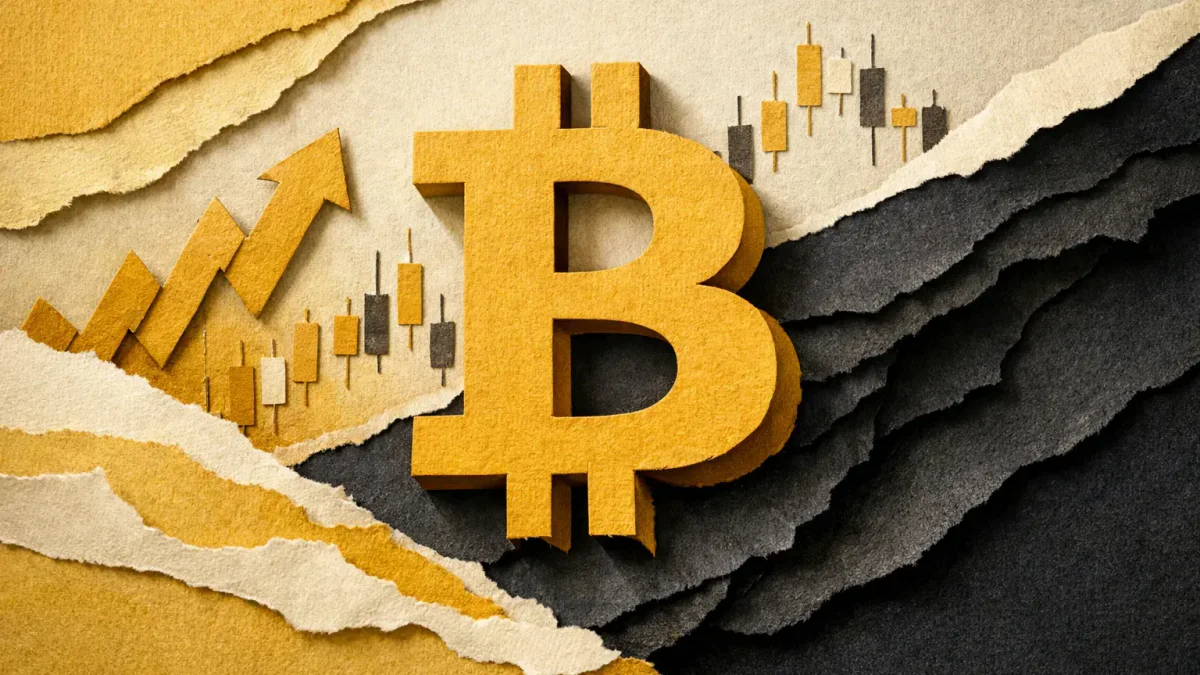
The investment company DWF Labs published a study indicating that 13 out of 15 reviewed cryptocurrencies with active or announced mechanisms for transferring economic value to holders outperformed Bitcoin (BTC) in terms of returns since the beginning of 2026. The analysis covers the period up to October 27, when BTC lost about 8.5%, while tokens Hyperliquid (HYPE) and Pump fun (PUMP) grew by more than 200% and 120%, respectively.
The authors of the study attribute the interest in such assets to a shift in investors' approach to evaluating cryptocurrency projects. Instead of expectations based mainly on developers' plans and the popularity of specific market directions, participants increasingly focus on the actual revenues of protocols and their mechanisms for token buybacks. However, the presence of such a model does not guarantee positive returns.
Why Hyperliquid and Pump.fun Outperformed Bitcoin
One of the main examples cited by DWF Labs is Hyperliquid, a decentralized platform for trading derivatives. According to the researchers, the protocol allocates between 95% and 99% of its corresponding revenues for HYPE buybacks. As a result, the volume of purchases depends on the financial results of the platform, primarily from trading fees.
An additional source of funds for Hyperliquid is the income from managing USDC reserves, used as collateral for trading operations. Coinbase participates in this system as the operator of reserve placements, and 90% of the income from this model is directed to the Assistance Fund, which acquires HYPE. According to a CoinShares study, the volume of such reserves in mid-2026 was about $5 billion, with later estimates approaching $6 billion.
Pump fun uses a different model: 50% of the platform's net income is directed towards acquiring PUMP. Its revenue depends on user activity in launching and trading tokens, so during periods of decreased interest in speculative assets, the volume of buybacks may also decrease.
Despite significant growth since the beginning of the year, both tokens traded significantly below their historical highs. As of the market snapshot on November 9, HYPE was priced around $73.31, which is 25% below the record $97.96 from September 23. PUMP traded at approximately $0.00352, losing about 60% relative to the high of $0.00882 and below the initial offering price of $0.004.
Why Protocol Revenues Don't Guarantee Token Growth
As contrasting examples, DWF Labs cites Maple Finance and Lido – major projects in the decentralized finance (DeFi) sector that generate income from their products. Despite this, the Maple (SYRUP) token lost about 45% since the beginning of the year, and Lido DAO (LDO) also showed negative dynamics.
Maple previously allocated a fixed 25% of its revenue for SYRUP buybacks, but in July switched to a system where the allocation size depends on monthly financial results. With revenue below $1.5 million, the protocol uses 10% for buybacks, at $1.5–2 million – 20%, and above $2 million – 30%. In September, Maple moved to the 20% level, but this share may change in subsequent months.
Lido has several mechanisms for acquiring LDO. One of them, the automated NEST, was launched in August 2026, but by the time of the study, it had not made any buybacks. To initiate purchases, the annual staking income must exceed a set threshold of $40 million, after which half of the amount above the threshold can be directed towards LDO buybacks with additional volume restrictions.
According to DWF Labs, these examples show that investors evaluate not only the size of the revenue but also the regularity of its use for token acquisitions. Even a profitable protocol may not ensure sustainable demand for its asset if purchases decrease or depend on hard-to-achieve conditions.
What Risks Remain for Tokens with Buybacks
DWF Labs analysts highlight several factors that can limit the effectiveness of such mechanisms. One of them is the unlocking of new tokens: if the inflow of coins to the market exceeds the buyback volume, a reduction in available supply may not occur. Additional risks are associated with temporary increases in trading activity due to bonus programs and revenue declines after the end of incentive campaigns.
For Hyperliquid, an important factor remains the activity in the perpetual futures market, as it affects commission income. Income from USDC reserves also depends on interest rates and the volume of collateral on the platform. For Pump fun, financial results are closely tied to the demand for launching and trading new tokens, which can change sharply with market sentiment.
DWF Labs notes that cryptocurrency investors increasingly use approaches reminiscent of stock valuation when analyzing tokens: they consider revenue, valuation ratios, and buyback volumes. However, unlike shareholders, holders of such tokens usually do not receive legally secured rights to the protocol's profits or assets.
Thus, the study shows the advantage of the selected group of tokens over BTC in terms of returns as of October 27, 2026, but does not prove that buyback mechanisms will ensure a similar result in the future. Key factors remain revenue stability, actual purchase volumes, and changes in token supply.
This material is prepared solely for informational purposes and does not constitute financial advice or a recommendation.
Related articles