Exein Introduces AI Agent Ray for Analyzing Vulnerabilities in Connected Devices
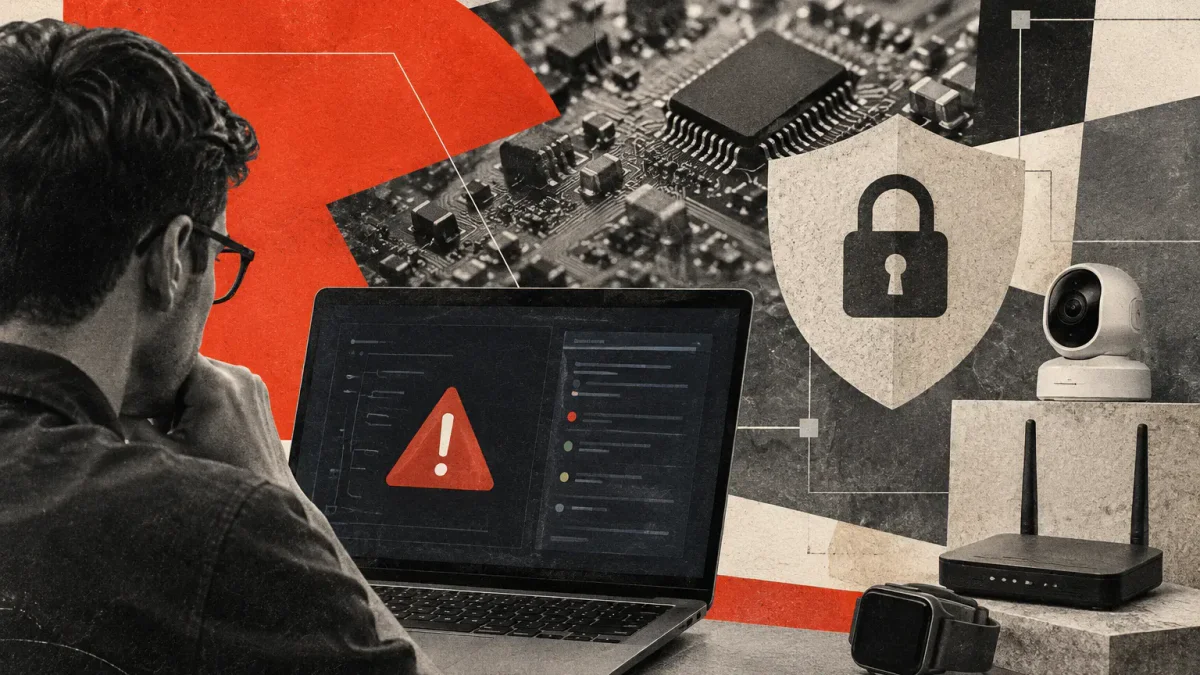
On November 24, the Italian company Exein introduced Ray, an AI agent designed to analyze vulnerabilities in the firmware of connected devices. The tool is integrated into the Exein Analyzer platform, which checks the software of equipment for security issues and regulatory compliance. The beta version of Ray is available to existing platform clients at no additional cost.
The development aims to address the problem of processing large volumes of equipment security data. Modern connected devices can contain thousands of software components, and the results of a single scan can include hundreds of potential security issues.
How the AI Agent Ray Works
Ray allows engineers to examine scan results in a dialog format. When prioritizing vulnerabilities, the agent considers their severity, exploitability, and the accessibility of vulnerable code sections during device operation.
The tool also enables the identification of recurring issues across multiple products from a manufacturer. This helps engineering teams determine which vulnerability fixes could impact the security of several devices at once.
Exein emphasizes that the analysis results require additional verification by specialists. The responsibility for decision-making and vulnerability remediation remains with the engineering teams.
New Security Requirements for Connected Devices
The launch of Ray coincides with the tightening of cybersecurity requirements for digital equipment in the European Union. From September 11, 2026, under the Cyber Resilience Act, manufacturers are required to report actively exploited vulnerabilities and serious security incidents. The main requirements of the regulation will begin to apply from December 11, 2027.
Ray supports the analysis of scan results in accordance with the provisions of the regulation, but using the tool itself does not guarantee that products meet the established requirements.
Such solutions can be applied in the development and testing of equipment in industries such as manufacturing, energy, healthcare, transportation, and robotics, where software vulnerabilities can affect not only data integrity but also the operation of physical devices.
This material is prepared solely for informational purposes and does not constitute financial advice or a recommendation.