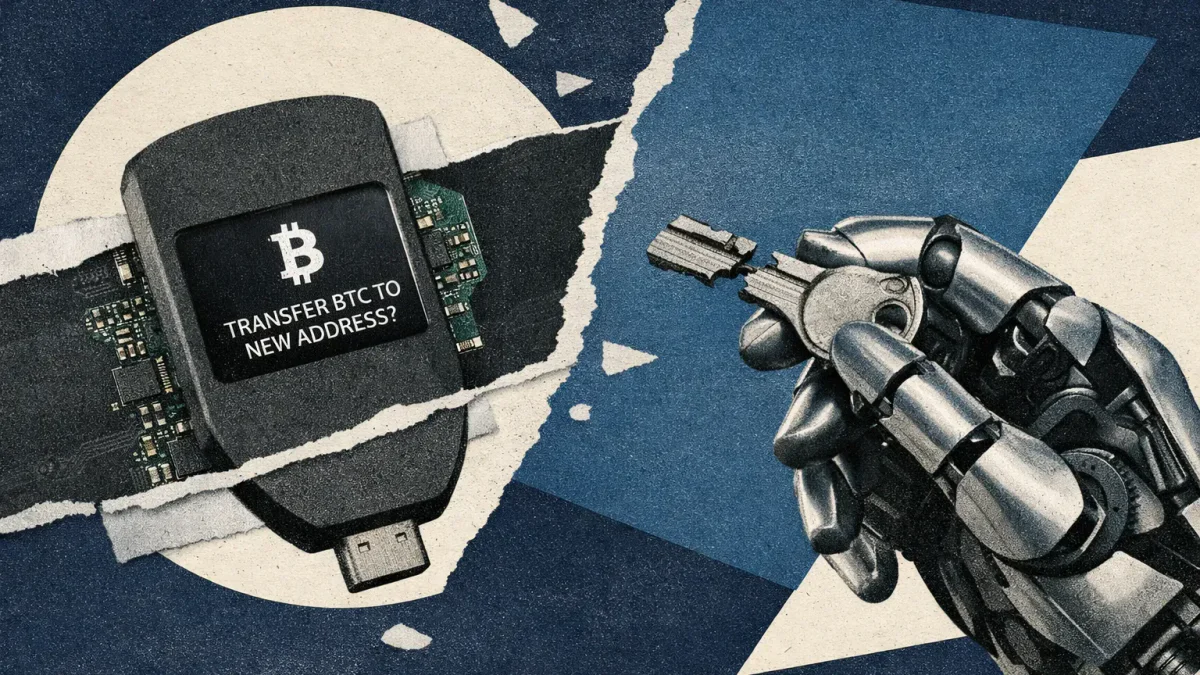
Managing partner of Dragonfly, Haseeb Qureshi, criticized the call by Ethereum Foundation researcher Justin Drake to prepare for a “bunker mode,” calling it “cryptographic doomerism.” In a tweet on October 8, 2026, Qureshi suggested implementing a “cryptographic recovery mode” instead: users link a backup signature based on hashes to an address, and validators restore access in case of a hack.
On October 7, Drake suggested that ECDSA could be broken by AI before powerful quantum computers emerge—“in months, not years.” He advised holders to transfer funds to addresses whose public keys have not yet appeared on the blockchain. Qureshi countered: coins on new addresses are safe only until the first spend, and if the remaining tokens are massively stolen, they will lose value.
Johns Hopkins University professor Matthew Green shared these concerns. Head of cryptography at Coinbase, Yehuda Lindell, stated that he knows of no evidence of ECDSA weakening. Trezor analyst Lucien Bourdon reminded that there are no credible publications against ECDSA, and Drake’s warning was accompanied by a discussion of Ethereum’s transition to hash-based cryptography—meaning it “serves as an advertisement for Ethereum’s roadmap.” There’s no need to rush: “Those who rush to transfer funds make mistakes, and scammers exploit such stories.”
Foundation co-founder Zach Herbert pointed out: a new address won’t help if an extended public key (xpub) has already been shared with an application or third party. StarkWare co-founder Eli Ben-Sasson added that signatures and Ethereum’s consensus, the KZG scheme for BLOB objects, would need updating, and gas costs will rise.
Lead MetaMask researcher Taylor Monahan: if any revealed key leads to compromise, “the whole damn world resets.” In Solana, Solana Foundation Vice President Jacob Creech stated that “bunker mode” is unnecessary: in Ed25519, the key is derived from a secret seed, and seeds never go on-chain; a network update will allow ownership of the seed to be confirmed with a hash proof.
For Ethereum, there is an emergency scenario: in March 2024, Vitalik Buterin described a hard fork that rolls back blocks and disables regular transactions. Bitwise Europe analyst Max Shannon noted that there are no timelines for quantum-resistant signatures, and on October 13, Coinbase urged preparing Bitcoin for post-quantum migration in advance.
This material is prepared solely for informational purposes and does not constitute financial advice or a recommendation.
Related articles