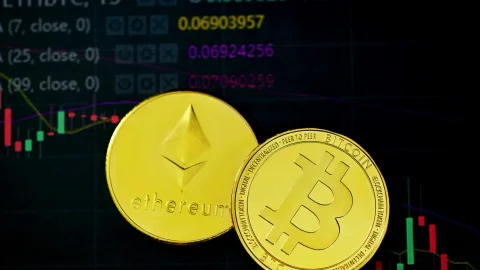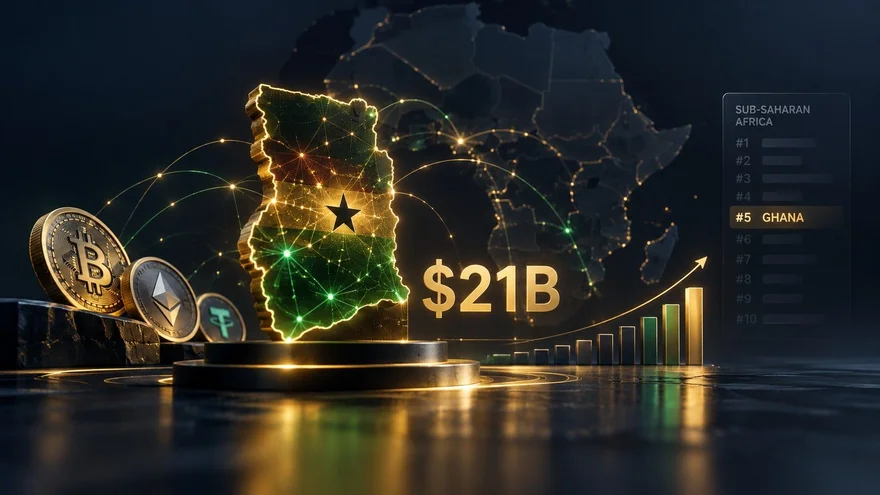
Ghana has ranked fifth among crypto markets in sub-Saharan Africa with annual transactions estimated at approximately $21 billion. According to the IMF, between 8% and 17% of Ghana's residents have bought or sold cryptocurrency. However, these figures are estimates rather than a verified measure of money entering the market. The figures cited by the Fund place Ghana as the fifth largest crypto market in sub-Saharan Africa based on the data it reviewed. The cryptocurrency sector in Ghana is rapidly growing, with stablecoins becoming one of the fastest-growing parts of the digital asset market. The country's regulators note that the growth of stablecoins is mainly due to their use in trading, hedging against inflation, and informal cross-border transactions. Regulators estimate that the virtual asset ecosystem already serves over 3 million users.
In December 2025, a virtual assets law was enacted, granting the Bank of Ghana and the Securities and Exchange Commission (SEC) joint authority over various aspects of digital assets. Currently, 20 companies are operating in the SEC sandbox, covering crypto exchanges, tokenization, brokerage, and trading services. This is done to prepare regulators for new challenges related to licensing and oversight in this rapidly evolving field.
Although a legal framework for market regulation has already been established in Ghana, the IMF pointed out existing gaps in the rules and recommended refining them to create a comprehensive oversight system. In particular, attention is given to the structuring of stablecoins– it is necessary to determine how issuers manage the quality of reserves, redemption rights, and liquidity. Meanwhile, authorities have begun actively enforcing restrictions, even before completing the full licensing scheme, warning businesses against unauthorized advertising of cryptocurrency products.
Related articles