

Unity Technologies CEO Predicts Drop in Gaming Console Prices
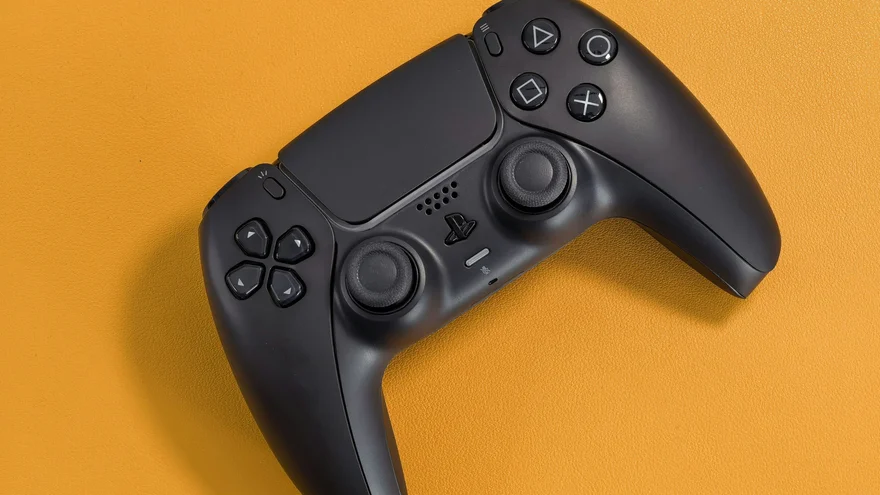
A RAM shortage and international trade restrictions continue to drive up the cost of manufacturing gaming consoles, yet Unity Technologies CEO Matthew Bromberg remains optimistic about the market's prospects. In his assessment, the current challenges are temporary in nature, and the console gaming industry will continue to develop despite existing difficulties. It is worth noting that Bromberg leads a public company that develops one of the most in-demand game engines on the market, which shapes his professional interest in a positive outlook for the sector.
The market situation remains genuinely tense. Nintendo, PlayStation, and Xbox have repeatedly raised prices on their devices over the past year, and PlayStation has already announced plans to discontinue physical disc releases in 2028, transitioning to a digital format with the launch of the next console generation. The primary cause is a component shortage driven by surging demand for data center memory used in artificial intelligence systems and a growing number of devices requiring large volumes of RAM. The situation is further compounded by existing customs duties and trade restrictions, as a result of which manufacturers' rising costs are inevitably passed on to end consumers.
"It's a tough time for console hardware, which is under real cost pressure. It's an unprecedented and strange situation. The idea that things are getting more expensive is the world turned upside down. But that doesn't mean great console content won't be consumed in enormous quantities, and we'll see that with GTA," Bromberg said. The Unity CEO is convinced that the cost pressure is temporary, though he acknowledges that the audience aging out of the console market is not being replaced by new younger gamers as actively as before. Nevertheless, he says the platform remains viable, and the industry will see more hit console games capable of capturing mass-audience attention.
Beyond his optimism about the console market, the Unity CEO made a statement about the future of the gaming industry as a whole. "Over the next ten years, games will be created that are better and more engaging than anything produced in the previous ten years. We are only beginning to realize the level of engagement and intensity of interaction we will be able to achieve. It's strange to think that the best years of this business are behind us. Costs will come down, and the industry will create games that, over time, will attract younger audiences," Bromberg noted. Unity previously reported its best quarter in company history, driven by the success of its own AI platform Vector, which confirms the company's strategic focus on integrating artificial intelligence technologies into tools for game developers.
***
This material is prepared exclusively for informational purposes and does not constitute financial advice or a recommendation.