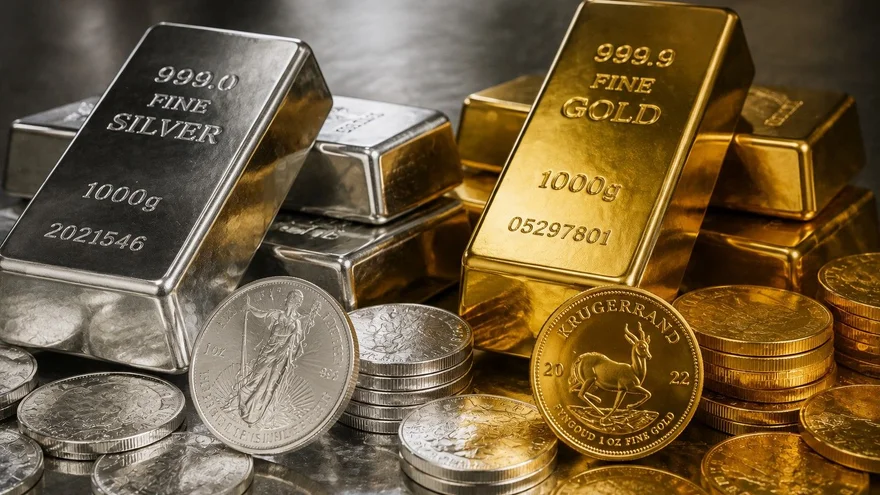

Demand for gold remains strong despite rising yields: over $500 billion has reportedly been invested in gold and silver. For the quarter, gold has risen by 8%, and silver by more than 10%, but against the backdrop of Bitcoin's 30% yield, it seems that investors have solidified BTC's status as a safe-haven asset. In this context, risk assets appear more resilient ahead of the Federal Open Market Committee (FOMC) meeting.
The traditional relationship between gold and government bond yields has flipped this quarter: the metal no longer reacts to rising yields. According to TradingEconomics, the yield on 10-year U.S. Treasury bonds has increased by nearly 20% since the end of June, while gold has gained about 15% over the same period. The main driver of this divergence appears to be strong demand from central banks, which is altering gold's sensitivity to rates and supporting the metal even amid high yields. This suggests that structural demand may now outweigh gold's sensitivity to monetary expectations. This also explains the increase in positioning in metals: over $500 billion has reportedly flowed into gold and silver.
The question remains open as to whether metals are attracting new capital or pulling it away from risk assets. Strong market data indicates that demand for the metal remains steady. Chinese gold ETFs added 11 tons in August – the second consecutive monthly increase, bringing the total to 293 tons, the highest since April and the third highest in history. Since the beginning of the year, ETFs have purchased 45 tons of gold, and early September data suggests continued accumulation amid falling yields and weakness in the domestic stock market.
Related articles