Hong Kong Prepares New Rules for Crypto Companies: Licenses Required for Four Business Categories
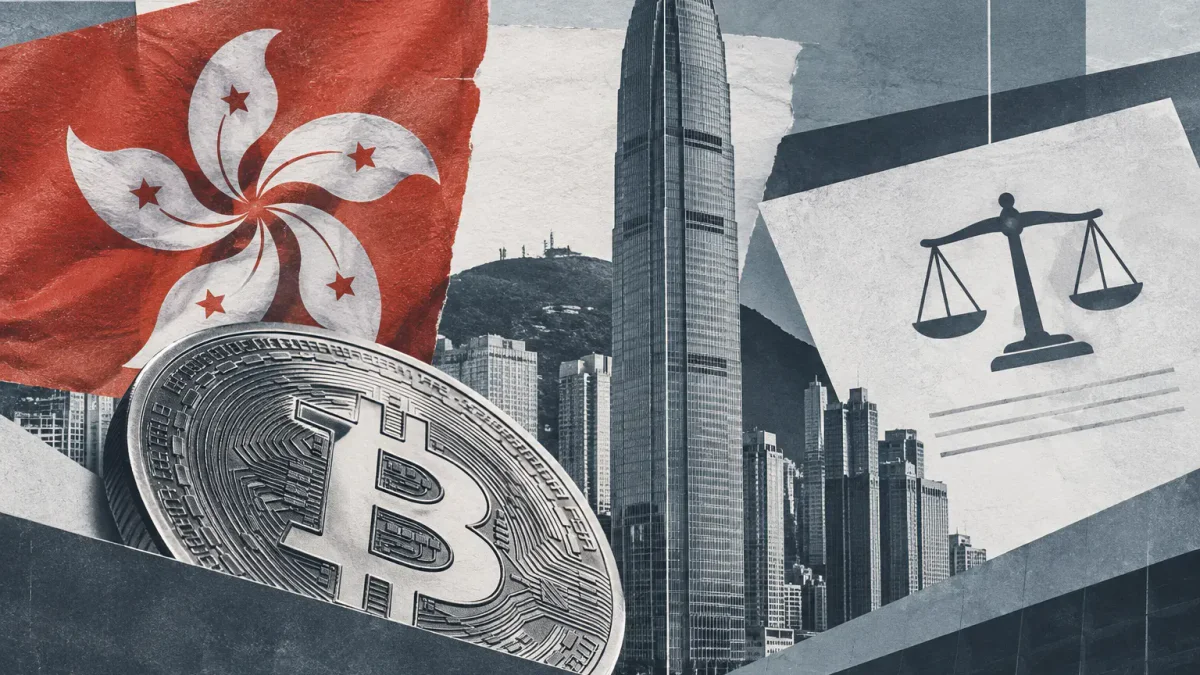
Hong Kong has published a bill introducing four new licensing regimes for virtual asset market participants. The requirements will apply to companies engaged in cryptocurrency trading, investment consulting, asset management, and custody.
The government announced the publication of the document in the official gazette on November 20, 2026. The bill, titled Virtual Asset Services Legislation (Amendment) Bill 2026, is planned to be presented to the Legislative Council for its first reading on December 2.
The document proposes amendments to the anti-money laundering and counter-terrorism financing ordinance. Thus, the existing regulatory system for cryptocurrency trading platforms will be supplemented with requirements for four new categories of service providers.
Companies operating in these areas will need to obtain a license or register with the SFC, meet established reliability criteria, and comply with other regulatory requirements. Banks and monetary storage system operators under the supervision of the Hong Kong Monetary Authority (HKMA) will also need to register with the SFC if they intend to provide virtual asset services.
Hong Kong expands cryptocurrency business licensing
The drafting of the bill was preceded by several rounds of public consultations conducted by the Financial Services and the Treasury Bureau (FSTB) and the SFC since June 2025. Authorities had previously promised to extend oversight to additional categories of companies working with digital assets by the end of 2026.
During the consultations, which concluded in August 2025, regulators received 101 proposals on virtual asset trading issues and another 93 responses concerning custody services. Initially, authorities considered the possibility of including consulting and asset management in a general licensing regime for trading activities. However, after discussions with industry representatives, it was decided to create separate categories for these areas.
Additional consultations began in December and gathered 51 responses. Most participants supported applying requirements to cryptocurrency companies comparable to the rules for organizations operating in the traditional securities market.
Secretary for Financial Services and the Treasury Christopher Hui stated that the initiative aligns with Hong Kong's first five-year strategy and the goal of forming a competitive digital asset market. The approach is based on the principle of "same activity – same risks – same regulation."
New rules may affect AI tools for crypto trading
According to the consultation results published in May, cryptocurrency advisors will need to comply with requirements based on rules for regulated activity type 4 under the Securities and Futures Ordinance. This category covers the provision of advice on securities operations.
The proposed regime may extend to companies that recommend buying or selling virtual assets and prepare analytical materials for investment decision-making. In particular, copy trading services, trading signals, and artificial intelligence tools that provide specific cryptocurrency recommendations may fall under the rules.
Meanwhile, providing general factual market information and software that objectively sorts such information for independent analysis should not require an advisory license.
For virtual asset managers, requirements similar to those for regulated activity type 9 are planned. These concern companies that independently make investment decisions on behalf of clients. Regulators have not proposed introducing a minimum threshold for the share of cryptocurrencies in a portfolio, beyond which a separate license would be required. Managers of mixed portfolios, including digital assets and traditional securities, may need authorization under both regimes.
Regulators to focus on private key protection
Separate requirements are prepared for cryptocurrency custodians – companies responsible for the safekeeping of private keys and other tools that allow the transfer of clients' digital assets.
In the conclusions of the custody regulation consultations published in December 2025, authorities highlighted the main risks of such activities: cyberattacks, cryptographic key compromise, and technical failures.
The proposed regime will not apply to organizations that fully outsource key storage to third-party custodians. However, regulators previously indicated that companies associated with licensed cryptocurrency exchanges that independently provide custody services would need to obtain separate authorization.
SFC Chief Julia Leung welcomed the legislative initiative. According to her, the proposal is an important step in forming a comprehensive regulatory system for virtual assets in Hong Kong. Leung also noted that comprehensive rules should enhance investor protection and provide companies with clearer conditions for responsibly developing new financial products.
Hong Kong develops stablecoin and tokenized asset market
The new requirements complement other government initiatives to integrate digital assets into Hong Kong's financial system. The SFC's official registry lists 13 licensed virtual asset trading platforms.
In April, HSBC and Anchorpoint Financial received the first licenses in Hong Kong to issue stablecoins. This occurred after the corresponding ordinance came into effect in August 2025.
On November 19, HSBC opened access for clients to a tokenized fund based on Ethereum. Investments can be made using the stablecoin RedCoin, pegged to the Hong Kong dollar. The minimum subscription amount is 100 Hong Kong dollars.
According to data presented by Acting Secretary for Financial Services and the Treasury Joseph Chan in a parliamentary response on November 4, by the end of September, the SFC had authorized 17 retail investment products with tokenized asset classes. The assets under management in these classes reached approximately HKD 10.3 billion.
Additionally, on October 26, two authorized tokenized money market funds began 24/7 secondary trading on licensed virtual asset platforms.
This material is prepared solely for informational purposes and does not constitute financial advice or a recommendation.