Huawei Introduces PC Qingyun HM650
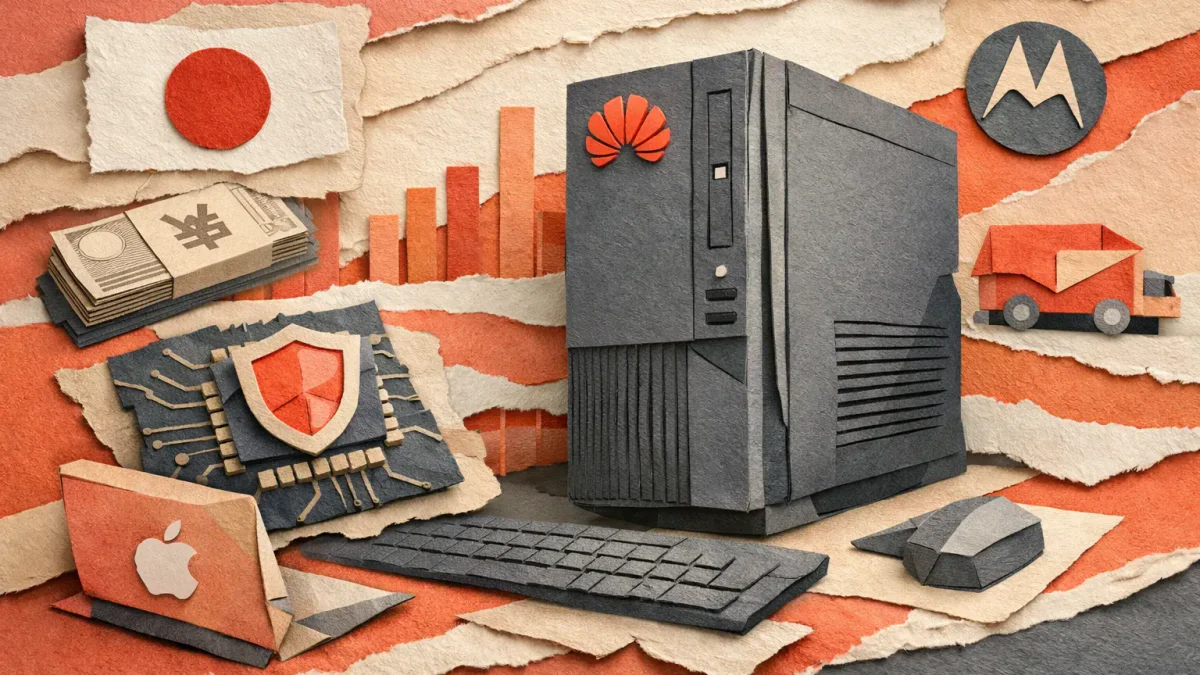
On November 5, 2026, the Chinese technology company Huawei introduced the Qingyun HM650 desktop computer, which it claims is entirely made from locally produced components. The device is powered by a Kirin X90 processor with 10 cores, 20 threads, and a clock speed of 2.3 GHz. The computer runs on the corporate version of HarmonyOS, Huawei's operating system developed to reduce reliance on foreign software.
Huawei Expands Presence in Government PC Market
According to The Register, a Chinese government agency has ordered 600 Qingyun HM650 computers. The demand for such devices is supported by a government policy of transitioning from Windows-based computers and Intel processors to domestic alternatives.
However, the origin of all technologies used in the Qingyun HM650 remains unclear. Huawei claims that the components are manufactured in China, but this does not confirm that each is developed by Chinese companies. Foreign manufacturers also have facilities within the country.
The expansion of local equipment procurement by government structures may limit access for American processor manufacturers Intel, AMD, and Qualcomm to part of the Chinese market. The scale of the potential impact on their sales is still unknown.
Japan Strengthens Cybersecurity, Vietnam Develops Its Own Chips
On November 6, the Japanese government approved an emergency cybersecurity package worth ¥10 billion ($63 million) following a series of attacks on railway companies, retail networks, logistics operators, and cloud service providers.
The funds will be directed towards enhancing the security of government information systems, using artificial intelligence (AI) to identify vulnerabilities, and developing tools for sharing data on cyberattacks. Part of the funding is allocated to assist affected organizations.
In Vietnam, the government encryption committee, in collaboration with the telecommunications company Viettel, introduced VGC v1.0 – the first domestically developed security chip. The device is manufactured using 28-nm technology and includes hardware encryption algorithms.
The chip is already used in secure USB drives for storing information of government and defense agencies. It is planned to be used in electronic signature systems and critical infrastructure protection, including energy, water supply, and telecommunications. Additional testing will be required for use in state secret protection systems.
Lenovo Appoints New Head of Motorola, Apple Expands School Supplies
Chinese company Lenovo announced the appointment of Amar Babu as the general manager of the mobile division and global president of Motorola starting January 1, 2027. He currently leads Lenovo's business in the Asia-Pacific region, where he has held a leadership position for over 5 years.
According to the company, during this period, Motorola's market share in India approached 9%, and in Japan, the brand ranked 2nd among smartphone manufacturers. A successor for Babu's regional leadership role has not yet been appointed.
American company Apple has signed the largest contract in its history for the supply of Mac computers to the education sector. The Philippine Department of Education purchased 172,654 MacBook Neo laptops for teachers and administrative staff.
According to the department, deliveries are scheduled from November 2026 to March 2027. Apple's CEO John Ternus confirmed the scale of the deal during the company's quarterly earnings presentation.
This material is prepared solely for informational purposes and does not constitute financial advice or a recommendation.
Related articles