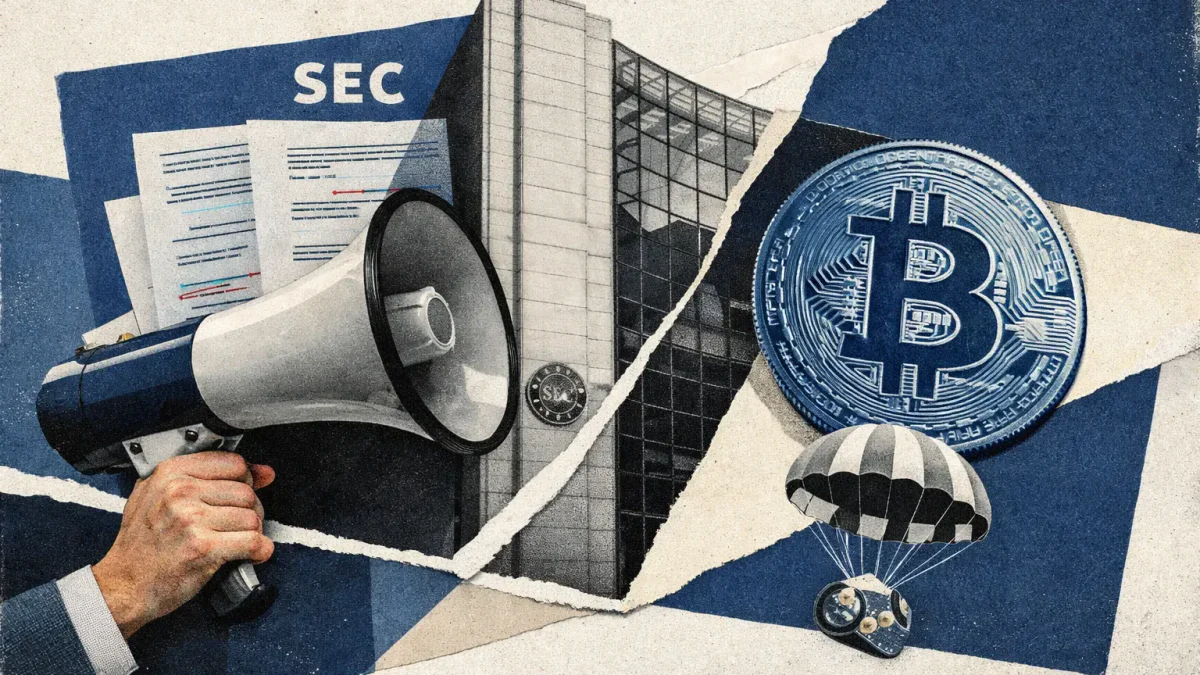
On October 19, the Hyperliquid Policy Center (HPC) presented five recommendations to the SEC for clarifying crypto regulations under the regulator's proposed Regulation Crypto Assets. The document addresses token airdrops, automatic buybacks, secondary trading, and developer protection.
The SEC introduced the regulation in August: it proposes two exemptions for crypto token sales – up to $5 million over four years and up to $75 million annually.
In the first recommendation, HPC asks the SEC to confirm that eligible free token distributions are not considered investments and are neither payments nor subject to sanctions checks. The second concerns guidance for decentralized trading protocols and intermediaries dealing with token resales under these exemptions.
The third recommendation suggests separating automatic token buybacks from those approved individually by developers and introducing uniform definitions of controlling persons. The fourth requests protection for networks still under development by developers: projects should receive legal protection without acknowledging that previously issued tokens were investment contracts. The fifth is to maintain federal protection from individual state registration requirements once a project achieves safe harbor status.
Regarding secondary trading, HPC requests clearer rules allowing platforms to conduct permissible transactions without SEC registration: according to the organization, volatility in this area could limit token liquidity and network participation.
Previously, HPC approached European regulators to classify perpetual futures under existing derivative rules: on October 1, the organization submitted a request for a "consistent approach to blockchain financial products" to the Ministry of Finance.
The deadline for public comments on the SEC proposal is October 20. The Commission has not yet adopted the recommendations, and the proposed rules still need to be reviewed. Amidst the stalling of federal regulation, the SEC and CFTC are advancing their own initiatives on tokenization and derivatives markets. The SEC will consider the comments received before amending or adopting the proposed framework.
This material is prepared solely for informational purposes and does not constitute financial advice or a recommendation.
Related articles