

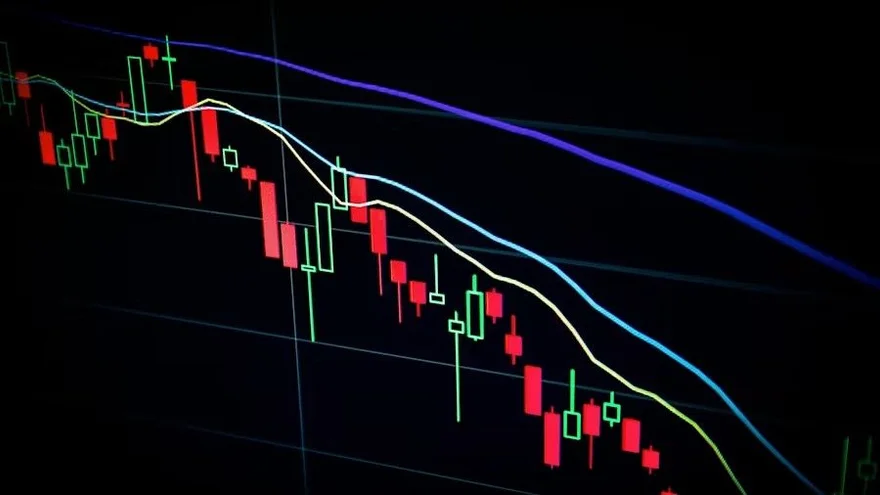
On August 26, 2026, the crypto fear and greed index retreated to 65 points after spiking to 74 points the day before, according to data from the analytical platform Alternative.me. At the same time, open interest in Bitcoin futures fell to nearly a five-month low, despite the leading cryptocurrency gaining 22.4% over the week according to aggregator CoinGecko. At the time of publication, Bitcoin was trading just below $79,000 after reaching the $80,000 level during a recent upward move. The decline in open interest and moderate funding rates indicate that the current rally has yet to be accompanied by a mass accumulation of leveraged long positions.
Another technical indicator points to a rapid market recovery. The Bull Score metric calculated by analytics firm CryptoQuant rose from 30 to 80 points over the week, reaching its highest level since October 6, 2025, as reported by CoinDesk. Eight out of ten on-chain and market indicators tracked by the firm are currently in the bullish zone. According to CryptoQuant specialists, visible spot demand is growing at its fastest pace since late December of last year. Analysts are recording a simultaneous increase in demand on both spot and futures markets for the first time since early October 2025, signaling a structural shift in market dynamics.
The structure of the Bitcoin futures market, however, differs noticeably from overall market sentiment. According to data from analytics platform Glassnode, open interest denominated in Bitcoin declined from 645,760 BTC on August 14 to 587,584 BTC, representing a nearly five-month low. Over the same period, the price of the leading cryptocurrency rose from approximately $62,000 to $80,000. Such a pronounced price move typically comes with an increase in open interest driven by the opening of new leveraged positions. In the current situation, the metric instead showed a decline. A significant portion of the initial price impulse was driven by forced short position liquidations. Perpetual futures funding rates remain below 10% annualized. According to CoinDesk, this level corresponds to a moderate prevalence of bullish positions and does not yet indicate aggressive accumulation of highly leveraged long positions.
The collateral structure in the derivatives market has also shifted. Open interest in crypto-margined futures has fallen to approximately 52,000 BTC, an all-time low. Such contracts now account for only 11% of total futures market volume, indicating a shift in activity toward fiat-margined contracts.
Against the backdrop of declining open interest, capital inflows into U.S. spot Bitcoin ETFs continued. On August 25, these financial products attracted $314.3 million, marking the seventh consecutive positive trading session. BlackRock's IBIT fund accounted for $284.4 million in net inflows, confirming sustained institutional investor interest in the leading cryptocurrency through regulated exchange-traded instruments.
In certain altcoins, the market structure already looks different from Bitcoin's. Following XRP's approximately 42% gain over the week, the estimated leverage ratio on Binance climbed to 0.21, reaching its highest level since January of this year. This metric, calculated by CryptoQuant, compares derivatives open interest against the asset's exchange reserves: an increase indicates a rise in leveraged positions relative to available collateral. Over a 24-hour period, XRP futures trading volume reached approximately $6.4 billion compared to $1.2 billion on the spot market. Open interest stood at $3.45 billion. According to CoinGlass data, on Binance there are approximately two long accounts for every one short account. Among the largest traders, this ratio approaches three to one in favor of long positions.
On August 26, XRP dropped nearly 5%, falling to $1.44. With a significant dominance of long positions, further price declines increase the probability of forced position closures (liquidations) and could amplify corrective pressure on this asset's market. Such a market structure creates conditions for heightened volatility in the event of a price trend reversal.
Previously, analysts at investment firm BlackRock maintained a positive assessment of Bitcoin's role in diversified investment portfolios following a decline of more than 50% from its October peak. They characterized the sell-off as a consequence of deleveraging and capital reallocation processes rather than a fundamental change in the leading cryptocurrency's investment thesis. In August, CryptoQuant experts concluded that Bitcoin may be approaching the end of its bearish phase, as on-chain metrics show the first signs of a sustained recovery in spot demand following a prolonged consolidation period.
***
This material is prepared for informational purposes only and does not constitute financial advice or a recommendation.