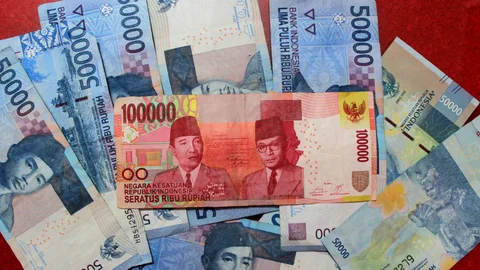
India's foreign currency reserves recorded a historic weekly decline, coming under pressure due to the central bank's support of the rupee. This event marks the first time in the country's history that reserves have fallen to such a significant level in a short period. The central bank's support of the rupee has had a direct impact on the size of the currency reserves, leading to their historically low value. In this situation, it is important to note that such regulatory actions always have consequences for the overall economy and financial stability of the country, as reserves serve as a crucial component for currency resilience and maintaining imports.
The decline in currency reserves occurred against the backdrop of current economic instability in the country. Investors are concerned about the potential negative impact on economic growth, which could lead to increased volatility in the currency markets. India's reserves, along with other factors, play a key role in supporting the rupee's exchange rate, and their deficiency could heighten the risk of devaluation. The reduction in currency reserves also means that the central bank will face additional challenges in implementing its monetary policy.
Analysts express concern about India's future economic development. They emphasize that this decline in reserves could negatively affect the country's ability to import goods and maintain current international payments. The uncertainty in the economic situation makes forecasts extremely challenging. The situation in the currency market requires flexibility and a well-thought-out strategy for response to avoid catastrophic consequences for the country's financial system.
Related articles