Investor Explains Why Silver Won't Repeat the Crash of 2011
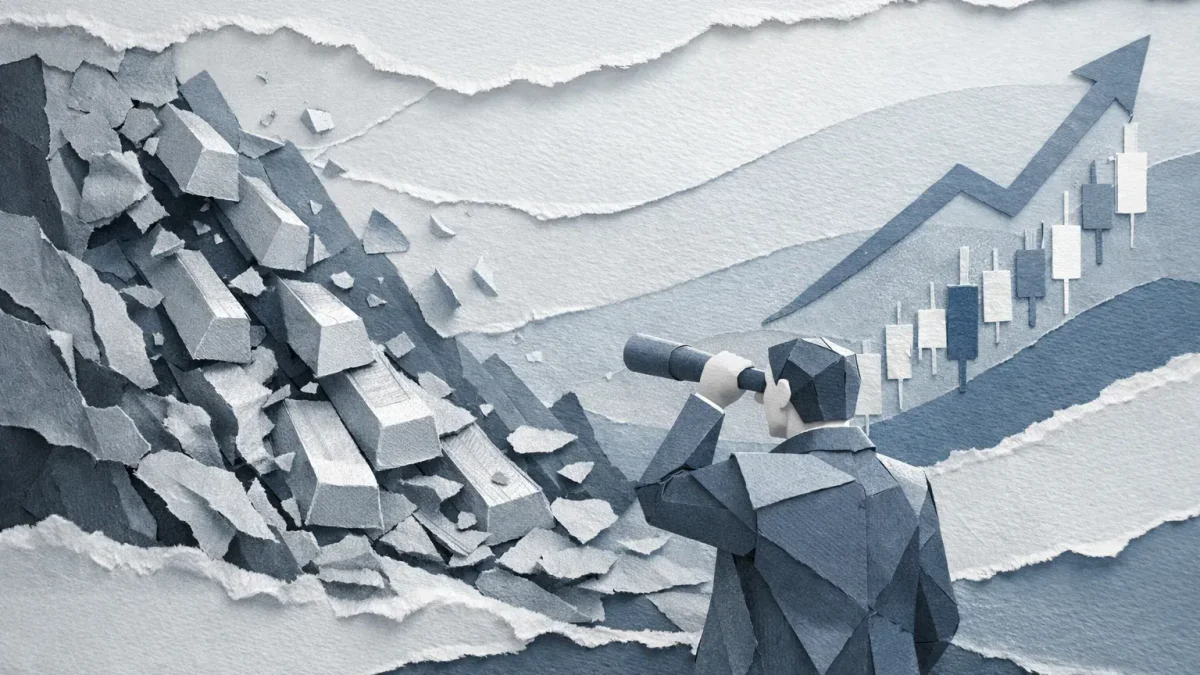
Silver has sharply depreciated after reaching record levels, and many investors are wondering if it's time to exit the asset. Otavio Costa, founder and head of investment company Azuria Capital, believes that the decline is a correction within a growing cycle, not its end.
What broke the growth in 2011
Costa compared Mexico, the country that produces the most silver in the world. From 2005 to 2011, the metal rose in price from about $7 to nearly $50 per ounce. Mines responded: production increased from about 2.5 million to 4 million kg per year. This is usually how commodity rallies end: high prices make production profitable, companies ramp up output, more metal enters the market, and prices go down. This is exactly what happened in 2011.
Why it's different now
This time, silver rose above $90 per ounce and then quickly retreated to $60. However, production in Mexico did not respond: since 2018, mines have been producing roughly the same volume—about 4 million kg per year, even though silver has increased in price several times over this period. The supply surge that killed the rally in 2011 is not present now.
Is it worth buying silver
According to Costa, the current decline looks more like a discount than a reason to exit. As long as production does not catch up with demand, the metal has support, and after the correction, the price may continue to rise. The analyst advises not to confuse a sharp pullback with the end of the cycle.
This material is prepared solely for informational purposes and does not constitute financial advice or a recommendation.
Related articles