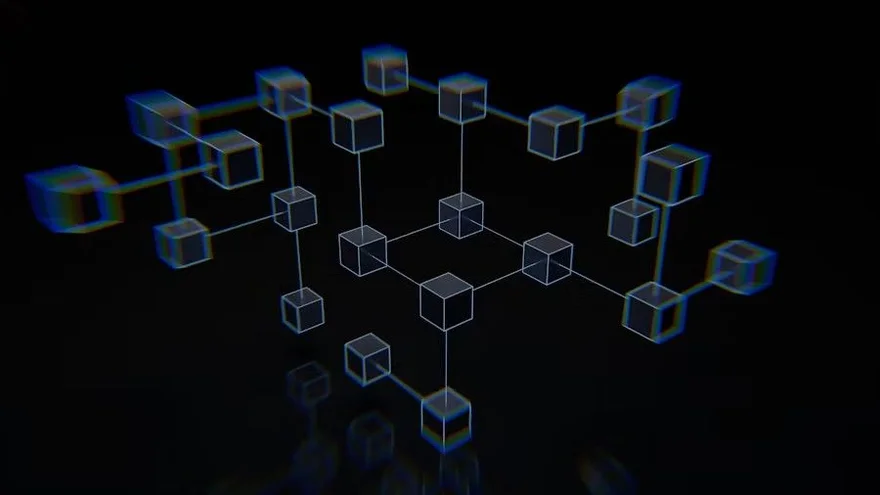
The team behind the LayerZero protocol has officially unveiled ATLAS — a trading and settlement infrastructure for institutional clients built on the Zero blockchain. According to the developers' official statement, ATLAS is a unified technology stack that integrates order matching, clearing, settlement, and risk management functions within a single system.
A key architectural feature of the project is the absence of a user interface or proprietary application. ATLAS is positioned as foundational infrastructure that third-party trading venues can use to build their own trading environments. Through this system, market makers gain the ability to work with various asset classes, including perpetual futures, cryptocurrencies, and tokenized financial products.
The system unites trading platforms, vendors, and market makers into a single ecosystem. According to the development team, operating on the Zero blockchain enables trade execution with latency of under one millisecond at a throughput of 200,000 transactions per second (TPS).
At its current stage of development, the ATLAS technology stack encompasses two primary directions. The first is Open ATLAS, aimed at prediction markets, exchanges, and publicly accessible trading platforms. The second is Institutional ATLAS, developed specifically for institutional clients and operations across global financial markets.
The system charges a single fee on all executed trades. The commission revenue distribution mechanism is structured as follows: the trading venue first receives a predetermined discount, then 25% of the remaining amount is directed to the market maker, while the remaining 75% is used for buybacks and subsequent burning of ZRO tokens.
As such, the ZRO token takes on several functions within the Zero ecosystem. It is used to secure the network and pay transaction fees (gas). Additionally, trading platforms can stake ZRO to receive higher fee discounts. Under the built-in mechanics, increased trading volume through ATLAS potentially leads to a greater volume of funds directed toward token buybacks and burns.
Institutional Positioning of the Project
The Zero blockchain was announced in February 2026 as a layer-one network with characteristics the developers describe as "virtually unlimited block space and 2 million TPS per zone." The project has received backing from a number of major financial and technology institutions, including Citadel Securities, The Depository Trust & Clearing Corporation (DTCC), Google Cloud, and Intercontinental Exchange. The involvement of these organizations may signal heightened interest from traditional capital market participants in new blockchain-based settlement systems.
In the official release, the LayerZero team justifies the need for ATLAS by pointing to the growing market capitalization of the tokenized real-world assets (RWA) sector. In the developers' view, this segment requires a fast, reliable, and round-the-clock system for clearing operations and reporting.
Market Reaction and Context
Following the publication of information about the new project, the ZRO token exhibited significant volatility. The asset's price rose from $1.048 to $1.33 at its peak, representing a gain of 29.6%. A subsequent price correction followed. An earlier version of the material cited a 26.9% increase, which may reflect different timestamps at which the data was recorded.
The ATLAS announcement came against a backdrop of negative news surrounding the LayerZero ecosystem. Several crypto projects have decided to abandon the protocol's bridging infrastructure following a security incident at KelpDAO, in which $292 million was stolen. This context may influence how market participants perceive new initiatives from the LayerZero team.
***
This material is prepared for informational purposes only and does not constitute financial advice or a recommendation.