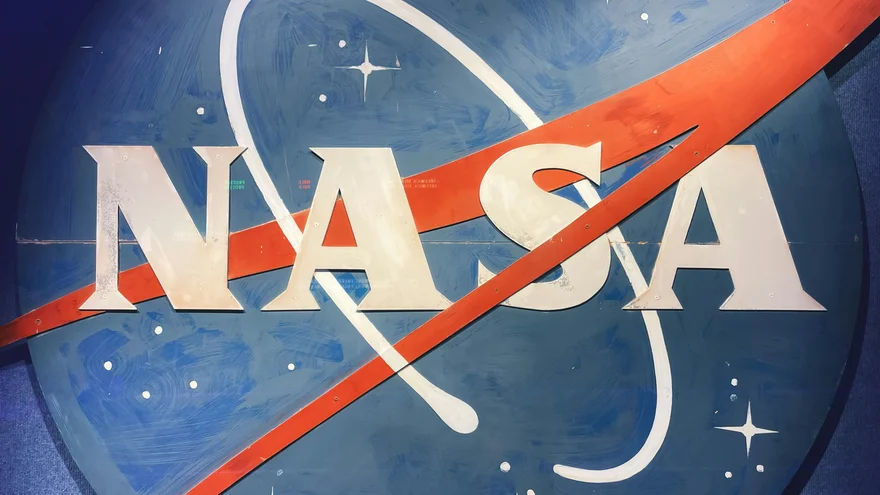
NASA and IBM have introduced an open foundational AI model for studying the Moon's surface. The NASA-IBM Lunar Foundation Model is available through Hugging Face along with a dataset that researchers can use to develop their own systems. The model was created in preparation for NASA's upcoming Artemis missions and is designed to tackle various tasks related to lunar surface analysis. One of the most promising areas is identifying regions where ice may be present. Compared to Microsoft's SwinV2-B computer vision model, the NASA and IBM system demonstrated 23% fewer errors. In a separate test for crater detection and classification, it surpassed this benchmark by 19%, using half the amount of training data.
Creating the model required a unique approach to processing lunar images. Unlike Earth, where the atmosphere scatters sunlight, shadows on the Moon have nearly black edges, and darkened image areas contain no additional information. Therefore, the same crater can appear completely different under varying shooting conditions. The standard computer vision method of removing part of the image and then restoring it also proved ineffective: many lunar craters have similar appearances. Researchers divided the satellite's surface into separate sectors and used different areas for training and testing, which improved data consistency. Practical testing occurred after the SpaceX Falcon 9 crashed on the Moon on August 5: the model was able to recognize a fresh crater in the image, even though it almost completely matched an existing formation.
Another outcome of the project is an open dataset compiled from materials from NASA's Lunar Reconnaissance Orbiter and GRAIL missions, as well as the Japanese SELENE spacecraft. It includes tens of thousands of images and scientific instrument readings. Researchers created a common coordinate grid linking images with other data types, resulting in more than two million combined points. NASA and IBM believe this dataset could be as significant a result as the model itself, as no such comprehensively organized data existed for similar research before. The exact date of the Artemis III mission is yet to be determined, but the new system is expected to provide scientists with an additional tool for preparing future lunar research.