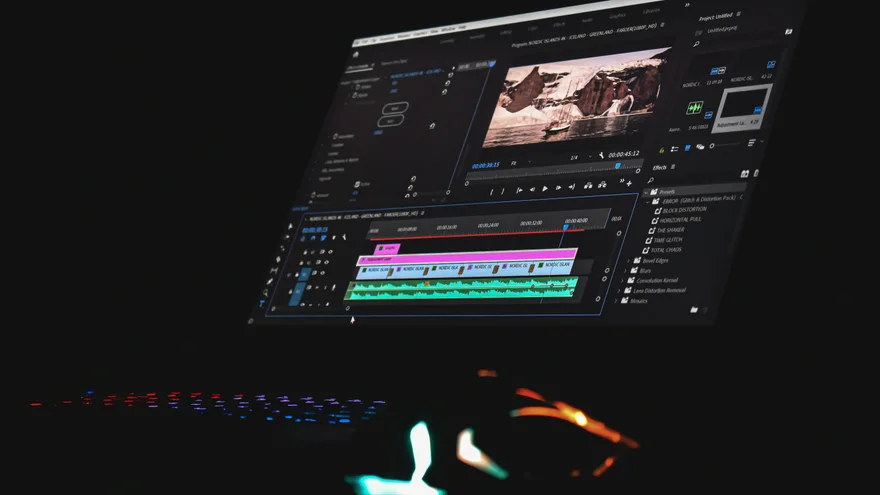
An independent developer has created a free alternative to the popular graphic editor Photoshop. The new program, Photon, works excellently on regular personal computers. The project author entrusted the coding entirely to the neural network Astra. The development began with an in-depth study of the functions of the original Photoshop program. A detailed technical report was uploaded into the advanced language model Astra. The artificial intelligence independently compiled a detailed plan for further complex work. The human only tested the application and described the system errors found. The neural network fixed bugs and added new useful features to the editor. The total cost for tokens reached two thousand US dollars. This amount significantly exceeds the cost of a multi-year subscription to Photoshop.
The economics of the venture initially did not add up for a single ordinary user. However, the editor gathered one hundred seventy active users in a day. The developer recalculated the audience into saved licenses of the popular graphic editor. The author's motivation turned out to be neither monetary nor commercial. He sold his previous company for a seven-figure financial sum. The editor will remain free and will not receive a premium paid tariff. The project launch did not go without a demonstrative technical system failure. Users complained about problems with receiving the download link. The reason lay in the request frequency limitation on the shared server. The smart agent fixed this problem in five short minutes.
Skepticism about the result was no less noticeable among experts. The demo video shows only basic editing and text overlay. The developer acknowledged the lesser reliability of his new free software product. The market for free editors has long been saturated with quality and proven tools. The Affinity package became completely free after merging into an application. The browser-based editor Photopea lives solely on regular advertising. The GIMP program offers open code and a full set of functions. The Pixelmator Pro application was purchased by the large corporation Apple for development. The programs Krita and Paint Net remain solutions for drawing.
A separate question arises about the source of inspiration for the language model. The original Photoshop editor code is completely closed to outside developers. Neural networks were actively trained on the open code of the popular GIMP program. Therefore, the new clone contains many similar functions and tools. The clone will compete with tools that have been developed for decades. The space for innovation in this area remains truly vast. The developer named the goal as creating an editor that evolves at the speed of neural networks.
Related articles