OpenAI Cuts Round from $30 Billion to $20 Billion, Valuation at $1.25 Trillion

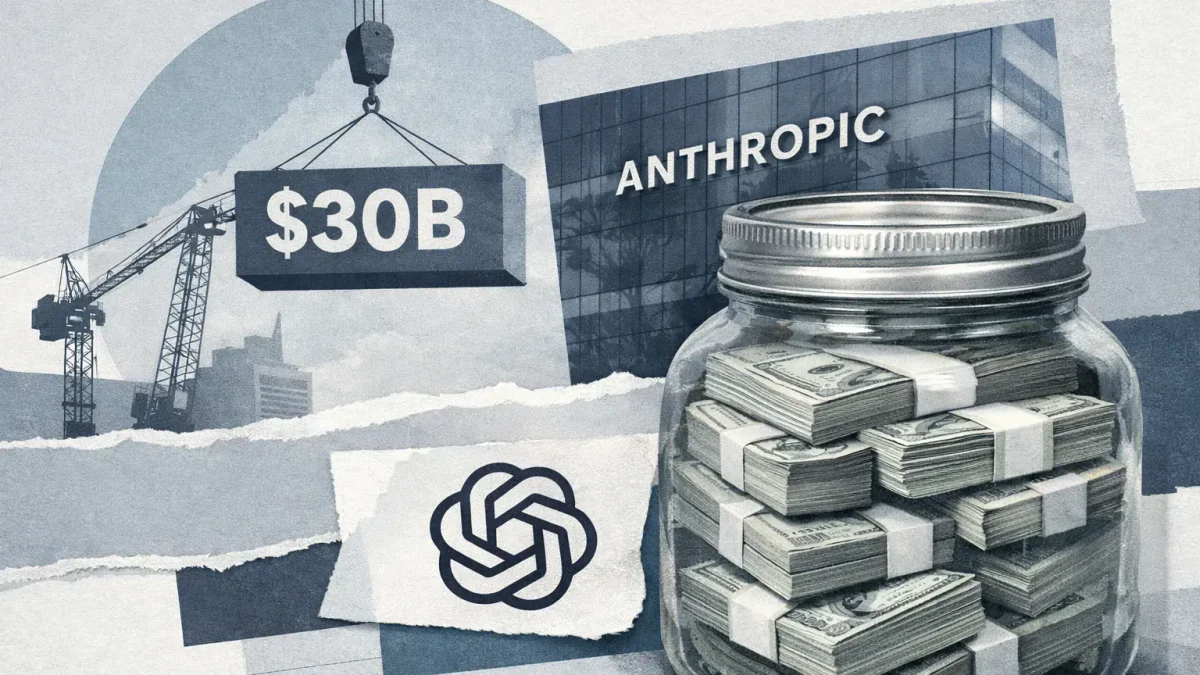
The reduction in the size of OpenAI's investment round points to an important trend: investor concerns about the artificial intelligence sector have shifted from public stocks to the private market, and participants have significantly cut their checks. Initially, the company aimed to raise $30 billion, but the target had to be reduced to $20 billion.
Why the round was reduced
The developer's valuation during the round held at $1.25 trillion, although the startup initially aimed for $1.4 trillion. CNBC journalist Kate Rooney explained this as a reaction from crossover funds, which invest in both public and private entities: they respond sharply to stock market volatility. Many major players already have a stake in OpenAI's capital, making it more challenging to inject new funds amid unstable valuations. Additionally, some participants reduced their checks before the October 30 deadline, and the first tranche is likely not to reach $20 billion.
The reduction in the target valuation occurred around October 22, even before the decision to cut the round itself. In March, OpenAI raised $122 billion at a valuation of $852 billion – roughly six times less than the company's current aspirations. The largest investor in the round is expected to be a consortium from the UAE, including the sovereign technology fund MGX; in return, the company will receive an option to lease powerful computing centers in the region.
Why companies are going to IPO
The decline in interest in the private market is prompting AI companies to turn more frequently to public offerings, Rooney noted: previously, private markets were somewhat insulated from public trends. In June, OpenAI filed a confidential application for an IPO, and in August, the CFO informed employees that the company would go public in 2027.
Meanwhile, Anthropic publicly filed for listing on Nasdaq on October 26. Some investors want to see Anthropic's offering price first. According to available data, the company is aiming for a capitalization of $1.5 trillion to $2 trillion, and this price will be a test of the market's readiness to support trillion-dollar valuations for AI startups.
This material is prepared solely for informational purposes and does not constitute financial advice or a recommendation.
Related articles