
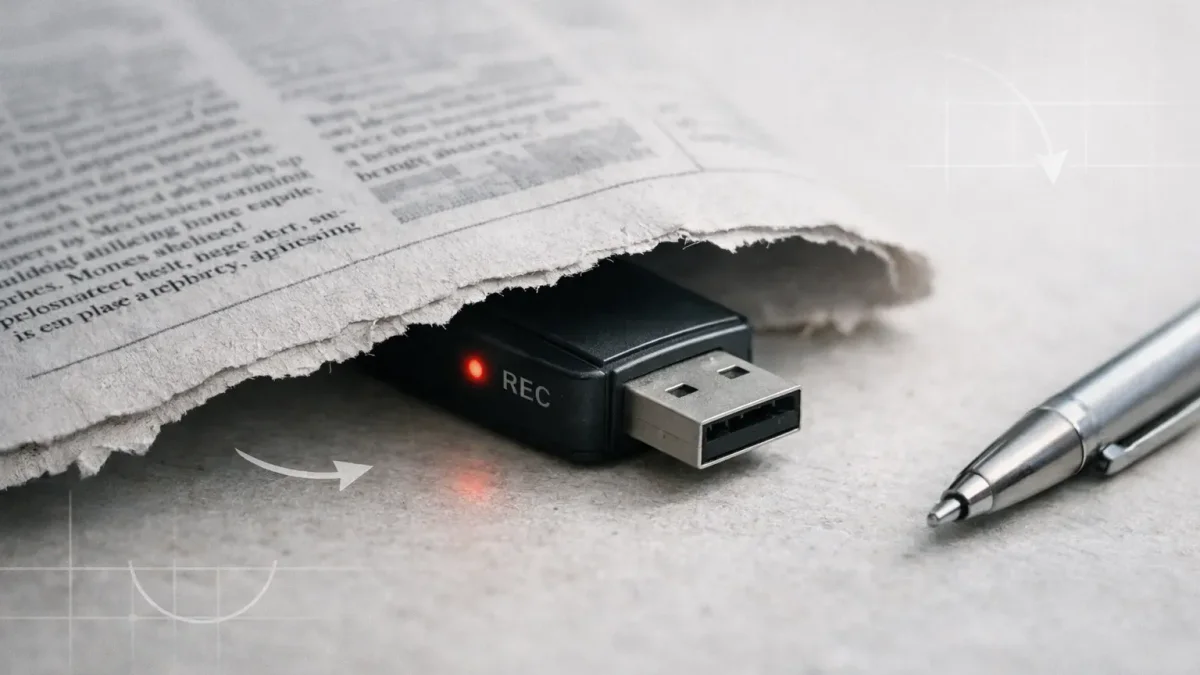
An OpenAI employee, Abdulrahman Alfozan, a 35-year-old Saudi Arabian citizen, was arrested and charged with attempting to illegally intercept oral communications using an electronic device. According to the investigation, he installed a hidden audio recording device in the company's executive conference room in San Francisco, where confidential information about artificial intelligence technologies was being discussed. Alfozan has already appeared before a federal court. If found guilty, he faces up to five years in prison, a $250,000 fine, and three years of supervised release.
According to the indictment, Alfozan worked as an engineer at OpenAI since July 2025. Around September 30, company employees discovered a hidden audio recording device connected to a USB port on the back of a television in one of the executive conference rooms. The device was disguised with toilet paper, and its contents were encrypted. The investigation claims it was installed around September 28.
Surveillance camera recordings allegedly captured Alfozan near the premises on various days before the device was discovered, even though he was not authorized to attend the relevant meetings. The complaint states that before the incident, the employee used a work tool to search for addresses of OpenAI buildings, the location and calendars of meeting rooms, the whereabouts of executives, and information about meetings with external partners.
Additionally, a chatbot account associated with his wife and sharing identifiers with Alfozan's account sent requests about creating a continuous audio recording device, setting up Wi-Fi, remote listening, and encrypting a memory card. Some of the requests concerned the specific device found in the office.
On October 5, Alfozan allegedly entered the conference room and looked behind the television where the recording device was installed. On the same day, OpenAI security found another similar device in an unattended bag belonging to the employee.
FBI Director Kash Patel stated: "Protecting American innovations in the field of superintelligence is crucial for the economic power and national security of our country."
According to the indictment, the meetings involved confidential technical, commercial, and strategic issues: research, product development plans, technical progress, and interactions with government agencies. U.S. Director of National Intelligence Jay Clayton called the situation a reminder of the importance of protecting American technologies from foreign threats. The case is being investigated by the FBI, with support from prosecutors in the Northern District of California and a representative of the Justice Department's Counterintelligence and Export Control Section.
This material is prepared solely for informational purposes and does not constitute financial advice or a recommendation.