
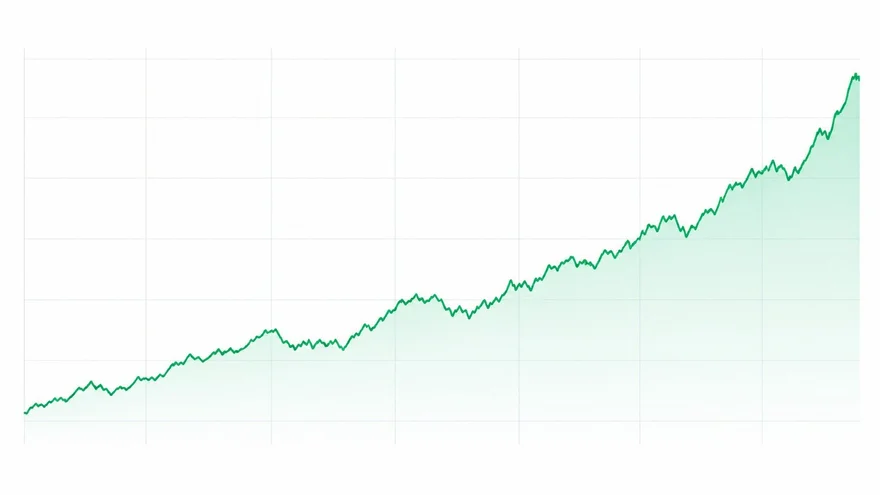
The Pons token posted explosive growth: over the past week its value increased by more than 200%, and on September 5 it reached an all-time high, surpassing the $970 million mark. As The Block reports, this price surge coincided with a sharp spike in activity on the Robinhood Chain decentralized exchange, which operates on the infrastructure of Robinhood Markets. Weekly trading volume on the DEX doubled to $12.4 billion, and daily network fees set an absolute record of $6 million.
The key day was Friday, September 4, when Robinhood Chain earned $6 million in fees in a single day. For comparison: over the previous seven days total fees amounted to approximately $25 million, whereas the week before that the figure stood at just $1.4 million. This represents a 17-fold increase in fees. At the same time, the average number of daily active accounts over the past week was 396,000 — lower than the week before. This paradoxical situation is explained by a sharp increase in monetization: the average fee per active account rose from $0.13 in mid-August to $15.90 by early September. In effect, the network began earning significantly more from the same or even smaller user base, pointing to a qualitative shift in participant behavior.
The primary driver of this process was the Pons protocol, which is currently the leading token launchpad on the Robinhood Chain network. On September 3, Pons generated nearly $6 million in fees, outpacing well-known platforms such as Pump.fun and Hyperliquid. The protocol's success correlates directly with the rise of the PONS token, which peaked on September 5. Pons tokenomics feature pronounced reflexivity: approximately 80% of revenue generated is directed toward buying back tokens from the market, with more than 28% of the total PONS supply already burned. This model reduces available supply and, given sustained demand, supports upward price momentum.
Further developments will depend on whether the current level of trading activity is maintained and whether the protocol can attract new users beyond the early adopters of the crypto ecosystem. Of particular interest is the dynamics of the number of tokens launched through Pons: fees are a lagging function of the number of new trading pools, so the coming weeks will show how sustainable the growth flywheel has proven to be. For now, the Robinhood Chain ecosystem offers a unique example of how a single popular protocol can fundamentally transform the economics of an entire network.