The probability of a Fed rate hike in December reached 90% on Kalshi
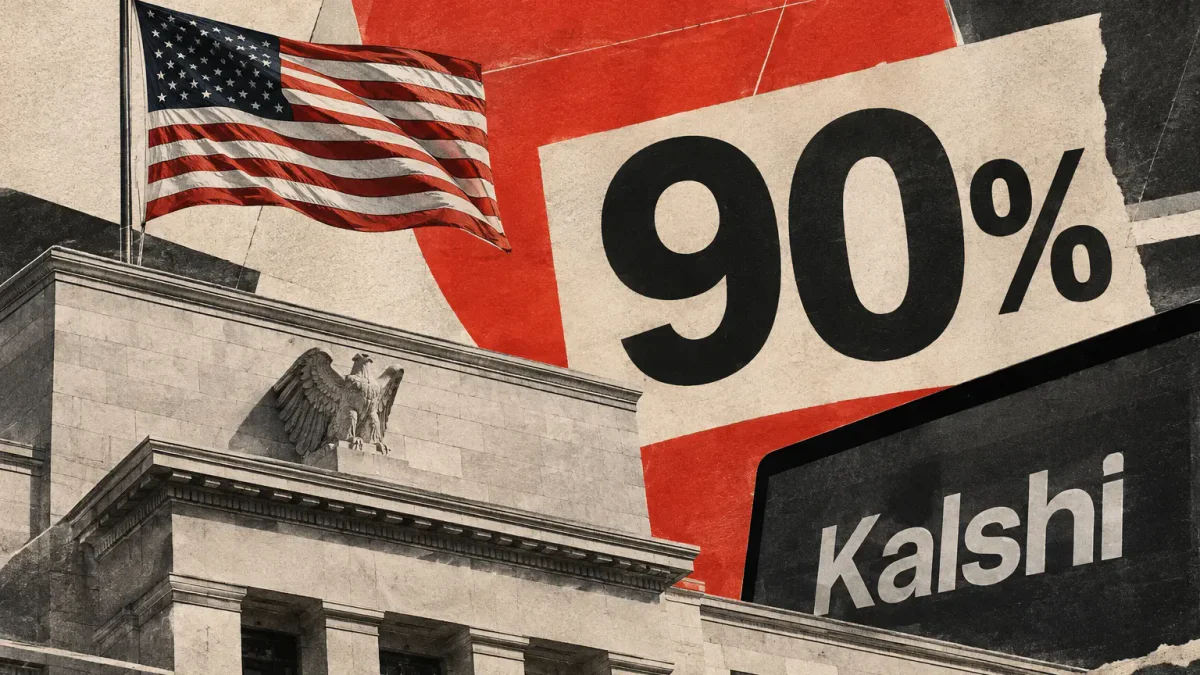
Cryptocurrency market participants are preparing for the December meeting of the U.S. Federal Reserve, where the regulator may once again raise the interest rate. According to data from the prediction platform Kalshi, the probability of a 25 basis point increase, or 0.25 percentage points, is estimated at about 90%.
The next meeting of the Federal Open Market Committee (FOMC) will be held on December 8–9, 2026. If the regulator decides to raise the rate by 25 basis points, the target range for the federal funds rate will increase from the current 3.75–4.00% to 4.00–4.25%.
The high probability of this scenario indicates that market participants are already factoring in further monetary tightening in their expectations. However, the actual decision by the Fed has not yet been made, and the estimates on Kalshi may change before the meeting.
For Bitcoin and other cryptocurrencies, upcoming events are significant due to the potential impact of interest rates on borrowing costs, liquidity, and investor interest in risky assets.
How Bitcoin Reacted to the Previous Rate Hike
The last time the Fed raised the interest rate was on September 16, 2026. At that time, the regulator increased the target range by 25 basis points to 3.75–4.00%. At the next meeting on October 28, the rate was left unchanged.
Despite concerns about the impact of tighter monetary policy, Bitcoin did not show a sustained decline immediately after the September decision.
Within a day after the meeting, BTC gained about 1%, and in the following days, it continued to recover. According to market data provided in the original material, the cryptocurrency's price rose from approximately $76,000 to nearly $88,000.
However, such movement does not mean that interest rate hikes positively affect Bitcoin. Prices are simultaneously influenced by investor demand, capital flows into cryptocurrency funds, stock market conditions, and other factors.
The September reaction shows that even Fed policy tightening does not necessarily lead to an immediate decline in cryptocurrencies. What matters is how much the decision aligns with market expectations.
Why Fed Comments May Be More Important Than the Decision
If the Fed raises the rate by the expected 25 basis points, investor attention may shift to comments from the regulator's chairman, Kevin Warsh, regarding further monetary policy.
Financial market participants will assess whether the Fed intends to continue the rate hike cycle in 2027 and how long the period of tight financial conditions might last.
If the regulator indicates that further rate hikes may be limited after the December decision, it could potentially reduce uncertainty for risky assets.
Conversely, stronger signals of the need for prolonged monetary tightening could support U.S. bond yields and the dollar. Such a scenario might increase pressure on Bitcoin and other cryptocurrencies.
At the same time, the direction of BTC will depend on a combination of factors, not just the Fed's leadership comments.
What Scenarios the Cryptocurrency Market Considers
The main scenario, according to current Kalshi estimates, remains a 25 basis point rate hike. However, even if it is implemented, Bitcoin's reaction may vary depending on accompanying regulator statements.
If the decision aligns with expectations and further comments are less stringent than market participants anticipate, it could contribute to the stabilization of risky assets.
If the Fed indicates the need for additional rate hikes, pressure on cryptocurrencies may persist. In the event of worsening market sentiment, new liquidations of leveraged positions could occur, potentially amplifying short-term price fluctuations.
An unexpected decision to keep the rate unchanged could also trigger a noticeable market reaction, as such an outcome is currently considered significantly less likely by Kalshi participants.
Thus, the December Fed meeting will be another important event for the cryptocurrency market. However, the main factor may not be the rate change itself, but the divergence between investor expectations and the American regulator's further plans.
This material is prepared solely for informational purposes and does not constitute financial advice or a recommendation.
Related articles