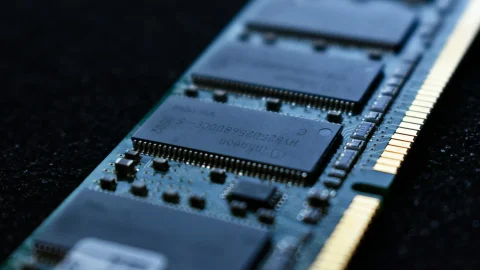
Daniel Lemire, a software performance expert and GitHub developer, drew attention to a historical anomaly in computer memory pricing: the long-term trend towards exponentially cheaper components was interrupted, and the cost of RAM fell back to almost twenty years ago. The data collected by the Stanford DAM Project confirms this trend. The current price of DDR5 memory ranges from $11.41 to $13.28 per gigabyte in nominal terms, which corresponds to the price level for DDR2 modules in 2007-2008. Adjusted for inflation, the cost of a gigabyte ranges from $10.94 to $12.74, which was last observed in 2011 at the stage of mass distribution of DDR3 memory. Such a price regression is unprecedented in an industry where the cost of computing resources has steadily declined over the past 80 years, starting with the era of the first universal digital computers.
The main reason for the dramatic change in market conditions was not technological regression or temporary disruptions in logistics, but the enormous and uncontrollable demand for high-bandwidth memory (HBM), stimulated by the global race in the field of artificial intelligence. According to SpaceX CEO Elon Musk, the memory industry's production capacity is growing by about 20% per year, which is an excellent indicator for a mature market, but demand from the AI industry is increasing by 200% or more annually. This imbalance has led to the fact that the shortage of memory chips has begun to affect not only the server segment, but also related industries, including the production of video cards, smartphones, game consoles and automotive electronics. To compare the scale of progress that has been halted: the first ENIAC computer in 1946 cost $ 400,000 with a capacity of 5,000 operations per second, while a modern budget smartphone for $ 100 performs trillions of operations, but the base cost of a unit of memory in it is now comparable to the indicators of the beginning of the 21st century.
The impact of this crisis on the financial condition of memory manufacturers is twofold. While some industry observers point out that the era of ultra-cheap memory in the past often meant companies operating on the verge of profitability or even at a loss, the current situation demonstrates the opposite. Recent financial reports from key market players such as SK hynix indicate record quarterly profits of tens of billions of dollars, which refutes the thesis of the sector's plight. Nevertheless, the long-term solution to the problem of scarcity and high cost lies not in the plane of simply increasing the production of existing chips, but in increasing the density of data storage. The transition from 16-gigabit to 32-gigabit chips takes a considerable amount of time, and the expected technological breakthrough in the form of mass adoption of 3D DRAM architecture, which can drastically reduce the cost of a bit, according to experts, will take place no earlier than in a decade.