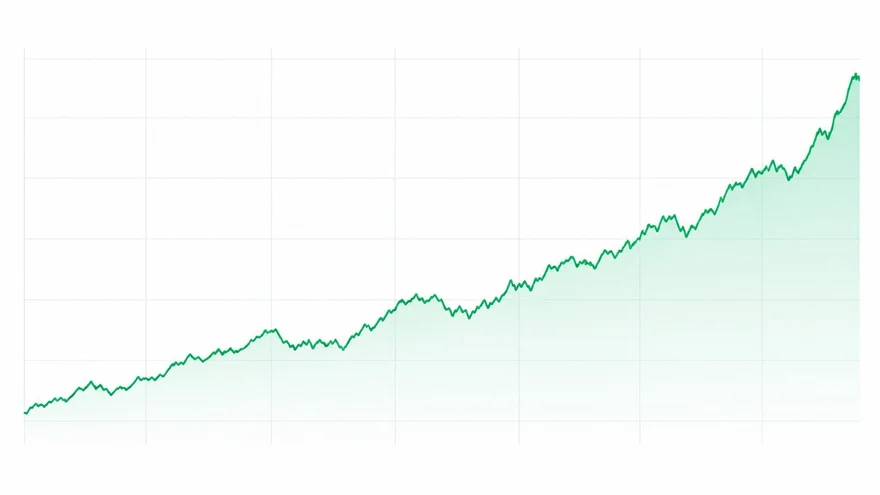


The S&P 500 index begins October following mixed dynamics in September, when nearly 75% of its stocks closed in the red. Barchart data shows that September was the only month with a negative average return for the SPDR S&P 500 ETF (SPY) since 2010, with the fund losing an average of 0.48%. In contrast, October is the third most profitable month, with SPY showing an average growth of 2.27%, second only to November at 3.09% and July at 2.79%. Although this year the S&P 500 showed a slight increase of 0.26% in September, over the past 17 years, the index recorded growth in this month 10 times, but sharp declines, such as 9.24% in 2022 and 6.94% in 2011, reduced the overall average return.
Historically, October has often shown recovery after a weak September. For example, in 2011, September's 6.94% loss was followed by October's 10.91% gain. However, such recovery trends are not guaranteed; three of the last six Octobers ended with declines (in 2020, 2023, and 2024). Conversely, SPY currently shows a 13.37% increase year-to-date. Nevertheless, market stagnation was also noticeable, as nearly 75% of S&P 500 stocks ended September in the red. According to FactSet, gains were recorded only in certain sectors, such as technology, where companies like Micron, Apple, and Dell showed growth due to demand for artificial intelligence technologies. Meanwhile, companies like JPMorgan, Bank of America, and Wells Fargo faced declines due to rising government bond yields. As a result, a narrow group of large companies kept the index afloat while most stocks pulled back.
At the end of September, the breadth of the S&P 500 index reached its lowest level since May 2025. As of September 30, only 40.55% of S&P 500 stocks were trading above their 200-day moving average, meaning nearly 60% were below. This figure dropped by 2.59 points on September 30 alone. In August, it peaked at around 73%, indicating a drop of about 32 points over approximately six weeks. Amid historically favorable seasonality for the S&P 500 in October, the index enters the month with the lowest share of active stocks in over a year. A broad recovery will likely require more stocks to reclaim their 200-day averages. Without this, the index is likely to continue relying on a small group of large companies.
Related articles