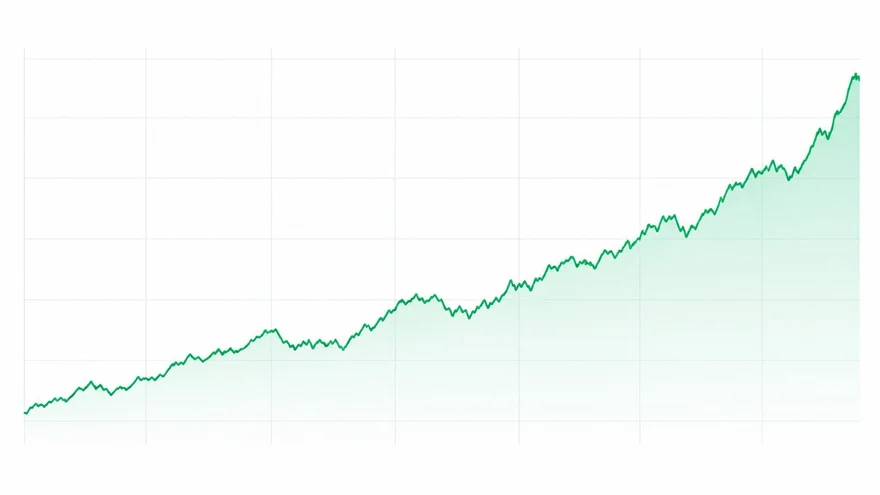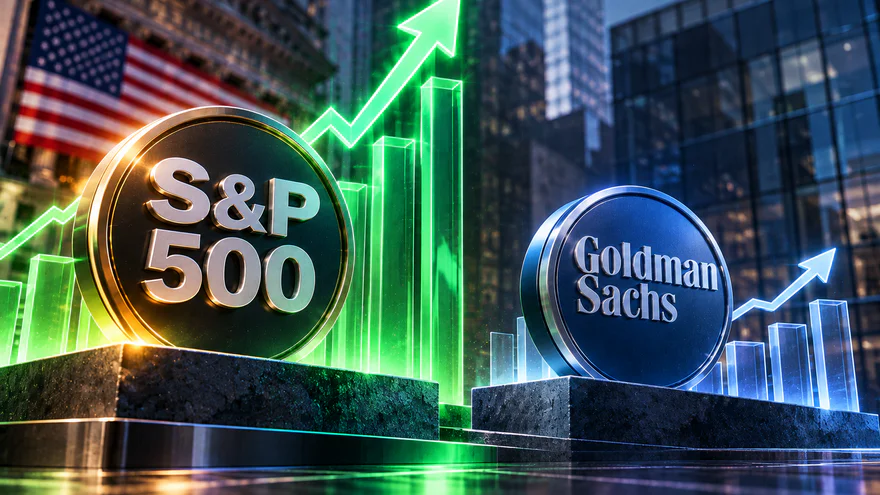
The S&P 500 index has risen by 18.3% over the past six months, closing at 7,818.93. Meanwhile, the Goldman Sachs index, excluding companies related to artificial intelligence (AI), which has the ticker SPXXAI, increased by only 6.7%, reaching 3,123.24. The difference between them is 11.6 percentage points. Goldman created the index in February to allow clients to hedge AI exposure, Axios reported. The index excludes stocks that the bank considers AI enablers, which at the time of launch was about 45% of the S&P 500.
On Tuesday, the S&P 500 and Nasdaq Composite closed at record highs. In contrast, the non-AI index peaked in August and is now 6.4% below its 52-week high of 3,337.19. For comparison, the S&P 500 is only 0.3% off its peak. The growth of the S&P 500 was supported by companies operating in the chip sector. Specifically, AMD, Marvell, Synopsys, and Cadence Design Systems have shown growth of more than 20% over the last 20 trading days. However, according to Kevin Gordon from Schwab, the average stock has lost 14% from its peaks in early August.
Jan van Eck, CEO of investment company VanEck, noted that while chips have become the first stage of AI trading, the next expected group is energy and nuclear power producers, which are facing difficulties amid political issues concerning the growth of data centers. However, he said that a recent deal between Constellation Energy and Alphabet, which saw Constellation's stock rise by 12.3% on Tuesday, may signal the end of the drought for the group, although the likelihood of approving the construction of a nuclear power plant this year is less than 10%. "I think when that happens, this drought for AI 2.0 trading will end," van Eck said. The gap shows that the index's records are now held by AI-related stocks. Third-quarter results from major cloud spenders will show whether this support will hold.
This material is prepared solely for informational purposes and does not constitute financial advice or a recommendation.
Related articles