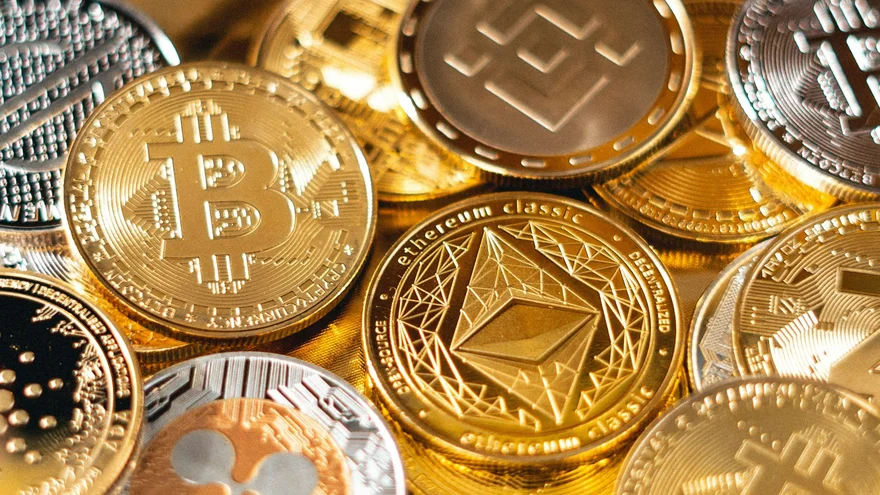
El Salvador is beginning its transition from Bitcoin to stablecoins for conducting digital transactions. President Nayib Bukele has signed a decree under which the government is developing a platform called Sivar to enable citizens to send and store stablecoins. The new platform, created by Palo Alto-based startup Modveon, will operate on the Base blockchain developed by Coinbase. Sivar will require users to verify their identity with a government ID, after which they can transfer funds, participate in surveys, and vote in local elections, even while outside the country.
In 2025, El Salvador received nearly $10 billion in remittances, 92% of which came from the United States. However, only 1.75% of these remittances, according to the International Monetary Fund (IMF), were processed through cryptocurrency wallets. This highlights Bitcoin's failure to become an everyday currency: in a survey conducted in 2024 by the Central American University, 92% of Salvadorans stated they did not use Bitcoin.
As the government moved away from Bitcoin's mandatory status due to reforms related to a $1.4 billion IMF loan, it continues to use Bitcoin as a means of accumulation and storage of value, according to Modveon CEO Nana Murgesan. He noted that Bukele remains committed to using Bitcoin for the national treasury, but faster and cheaper solutions are needed for money transactions, which stablecoins provide. Sivar will charge a fixed fee of $2 for users in the U.S. for each transfer, but cost reduction in remittances is not guaranteed, as recent studies have shown that the cost of remittances with stablecoins can sometimes reach 9%– similar to bank rates.
Related articles