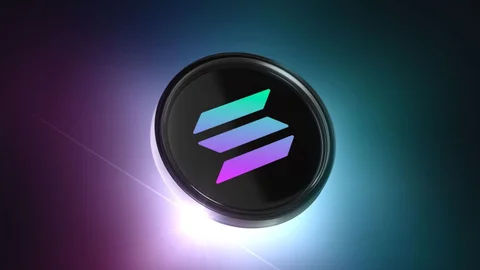
The Anza team has begun activating Alpenglow in Solana's public test network. The update, presented as part of SIMD-0326, is set to replace the current consensus mechanism based on TowerBFT and Proof-of-History, reducing the target block finalization time from approximately 12.8 seconds to 150 ms. The first stage will be Votor, which is part of Agave 4.3 and changes the way votes are exchanged between validators. Instead of votes in the form of separate transactions, network participants will directly exchange messages and combine them into certificates with BLS signatures. Under favorable conditions, a block can achieve finality in just one voting round. If this proves insufficient, the protocol will proceed to an additional round and use a different type of certificate. The stated 150 ms refers specifically to finalization, not the slot duration, which is regulated by separate protocol changes.
For regular users, the transition should not change the basic parameters of the network's operation: Alpenglow does not affect the SVM, transaction format, fees, or account model. More noticeable changes are expected for services that work directly with blockchain data. Agave 4.3 adds a bank_id identifier to the Geyser and gRPC streams, allowing for the distinction of multiple candidate banks within a single slot. Therefore, indexers, explorers, and other infrastructure systems will need to consider the slot and bank_id pair when buffering events. After the new consensus is implemented, the difference between confirmed and finalized statuses should significantly decrease. Both statuses will remain in the API for now, but confirmed is planned to be removed later. Voting transactions will no longer be included in blocks, and Proof-of-History will no longer determine their production rate. A separate Rotor mechanism, intended to replace Turbine for data dissemination, is not included in the current update version and will be implemented later.
The transition to the new consensus will be phased. Until the migration boundary, the network will continue to use TowerBFT, and after the activation of the feature gate, 5000 slots will be counted. Then, user transactions will temporarily stop being included in blocks until validators reach the necessary state for switching. Once a block with optimistic confirmation from 82% of the stake appears, its ancestor up to the migration boundary will become the starting point of the new chain. Validators will gather a BLS certificate, roll back later blocks, and switch the consensus to Votor, after which the processing of user transactions will resume. Before launching in the public testnet, the migration was tested for several months in a separate community cluster. The developer network and the beta version of the mainnet are expected to undergo similar stages. This order is intended to preserve already confirmed operations during the consensus mechanism change.
Related articles